

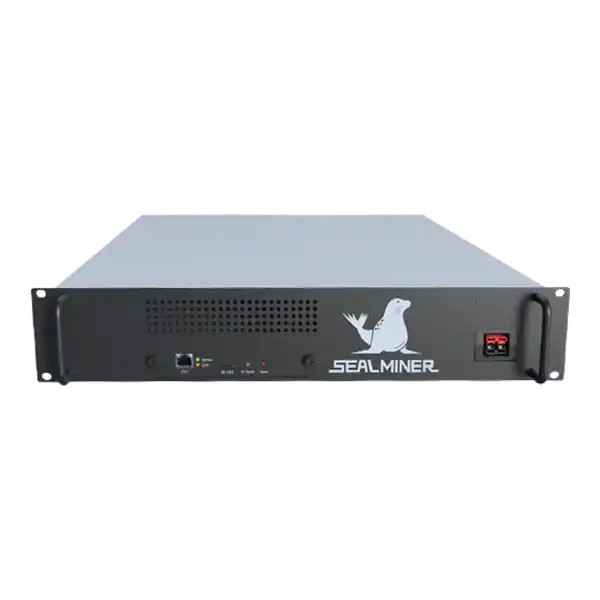
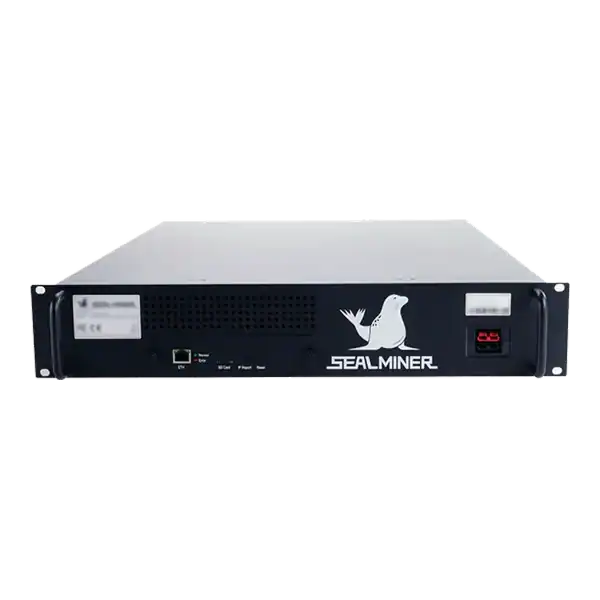
Sealminer A4 Ultra Hydro
Bitcoin & Bitcoin Cash ASIC Miner
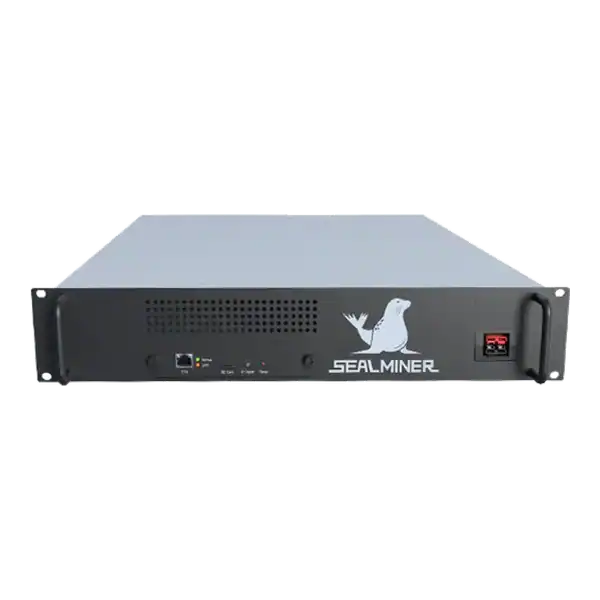

886TH
HASHRATE
9.45W/TH
EFFICIENCY
8373W
POWER
£792.10
EST. MONTHLY
NO PAYBACK
EST. ROI
Bitcoin Mining for Grid Balancing made simple. See how the network works, which hardware matters and what to check before using electricity.

Bitcoin mining for grid balancing is credible only when a mine delivers a defined service under the applicable market rules. Being able to switch miners off is not the same as providing frequency response, reserve or constraint management. This guide separates the physical capability of ASIC loads from the telemetry, baselines, contracts and performance tests needed in Great Britain.
Bitcoin mining for grid balancing works when a defined service is matched to tested ASIC load, approved metering, secure control and commercial discipline.
A miner wants to understand Bitcoin mining for grid balancing. It fails when installed megawatts are presented as guaranteed response or when different balancing products are blurred together.
Electricity supply and demand must remain balanced while networks stay within operating limits. NESO procures several balancing services in Great Britain, including demand flexibility and frequency related products. Distribution network operators can procure local flexibility for constraints. Each route solves a particular problem and has separate technical and commercial rules.
A mine should therefore ask which service it is proposing to deliver. Reducing consumption during a notified peak is different from responding automatically to frequency. Avoiding a local export constraint by increasing load is different again. A generic statement that a mine balances the grid hides these distinctions.
Begin with the current service terms, procurement rules and provider guidance. Confirm whether demand assets are eligible, whether aggregation is allowed and which meter is used for settlement before buying control equipment.

List the minimum stable load, maximum load, controllable blocks, command latency, meter latency, safe event duration and recovery time. Include auxiliary power and any seasonal cooling constraint. Repeat tests after firmware, fleet or electrical changes.
A site with 5 MW of miners may not have 5 MW of deliverable response. Some units may be offline, a supported minimum profile may remain running and pumps or fans may continue. Connection and supply limits may also prevent upward flexibility even when spare miners exist.
| Role | ASIC action | What must be proved |
|---|---|---|
| Peak demand reduction | Reduce or stop hashing | Baseline, interval reduction and duration |
| Constraint management | Change demand at a defined location | Network location, dispatch and settlement |
| Price response | Dispatch by agreed price rule | Metered load and commercial threshold |
| Frequency service | Automatic rapid load response | Certified controller, telemetry and performance |
| Surplus generation use | Increase hashing when permitted | Connection capacity and generation relationship |
A web dashboard that eventually turns miners off is not necessarily suitable for a time critical service. Measure the complete chain from signal receipt through controller, switchgear or miner command to settlement meter response. Test loss of communications and confirm the safe fallback state.
Use secure, authenticated control with least privilege, logging and manual override. Do not expose miner management interfaces to the public internet. Separate service control from firmware administration and payout credentials so a balancing provider cannot silently change wallets or pool destinations.
Control resolution matters. Rack or circuit switching provides a predictable step but can increase contactor duty and restart stress. Firmware power profiles may give finer control but vary by model and can affect warranty. Select the method only after engineering and supplier review.
Settlement depends on an approved meter and data path. Confirm interval length, accuracy, clock synchronisation, data retention and treatment of missing values. Site dashboards are operational evidence, not automatically settlement evidence.
Availability means the capacity could have responded when declared. Remove failed miners, maintenance, temperature derating and network outages from availability forecasts. Over declaration may create penalties and damage the provider relationship even when average site load looks healthy.
Retain event instructions, acknowledgements, power traces, temperatures, miner states, accepted hashrate and restart records. A clear event file supports settlement disputes and shows whether under delivery came from the control system, the baseline or the fleet.
Curtailing mining reduces demand. It does not inject electricity. A battery can absorb energy and later discharge it, subject to power, duration and state of charge. Flexible generation can increase output. These resources can sometimes compete in the same market. But their physical capabilities are not interchangeable.
Mining has advantages where the ASIC fleet would otherwise operate and can pause without losing a physical workpiece. Its limitation is that each curtailed hour loses expected mining contribution and does not create inventory that can be recovered later. Network availability, pool revenue and equipment efficiency continually change that opportunity cost.
The correct comparison is service specific: delivered megawatts, speed, duration, availability, capital cost, operating cost and penalties. Do not call a mine a virtual battery unless the term is clearly explained as an analogy and not a physical claim.
Model low and high hashprice, electricity cost, network difficulty, event frequency and service payment. Include whether the payment is for availability, activation, energy or a combination. Deduct aggregation fees, metering, controls, staff and increased maintenance.
Test correlated stress. The highest grid value may occur during hot or cold weather when the mine also has reduced cooling margin. A contract that assumes full capacity precisely when the facility is derated is weak. Use seasonal capacity declarations supported by test data.
Check connection, energy supply, planning, lease and insurance terms. A balancing contract cannot grant permission that another agreement withholds. Get tax and accounting advice for service income and electricity treatment.
A workable project starts with an eligible service and provider, then proves a conservative block of load through the settlement meter. Secure automation issues staged commands, preserves essential cooling and records every event. The commercial model values lost mining contribution and penalties.
Capacity grows only after repeated tests and live events meet the response standard. Claims describe the exact service delivered and period covered.
Reject proposals based only on installed megawatts, vague grid support language or forecast credits without service rules. Also reject remote control that bypasses electrical protections, shares administrator credentials or cannot be overridden locally.
A mine should not promise upward demand when its connection has no headroom or downward response when it normally runs only during cheap periods.
A conservative verified offer is more valuable than a large theoretical one. Design evidence and operations first, then market the capability.
Electricity supply and demand must remain balanced while networks stay within operating limits. NESO procures several balancing services in Great Britain, including demand flexibility and frequency related products.
List the minimum stable load, maximum load, controllable blocks, command latency, meter latency, safe event duration and recovery time. Include auxiliary power and any seasonal cooling constraint.
Curtailing mining reduces demand. It does not inject electricity.
A workable project starts with an eligible service and provider, then proves a conservative block of load through the settlement meter. Secure automation issues staged commands, preserves essential cooling and records every event.
A conservative verified offer is more valuable than a large theoretical one. Design evidence and operations first, then market the capability.
Bitcoin mining for grid balancing works when a defined service is matched to tested ASIC load, approved metering, secure control and commercial discipline. It fails when installed megawatts are presented as guaranteed response or when different balancing products are blurred together. Start with the service rules, declare conservative capacity and preserve evidence for every instruction, delivery and restart.
Ask The Mining Shop UK to compare efficient ASIC hardware, hosting and control requirements before committing mining capacity to an aggregator or network flexibility service.
Grid balancing is a portfolio of specific services, not a general sustainability label. ASIC fleets can offer controllable demand. But each service sets its own response, duration, metering, availability and aggregation requirements.


Terahash describes Kläger Group’s Hartha energy park with a 1.6 MWp solar array, a 350 kWh battery and a mining container able to absorb up to 500 kW. The container is intended to buy surplus left by industrial production, with storage and grid export also available.
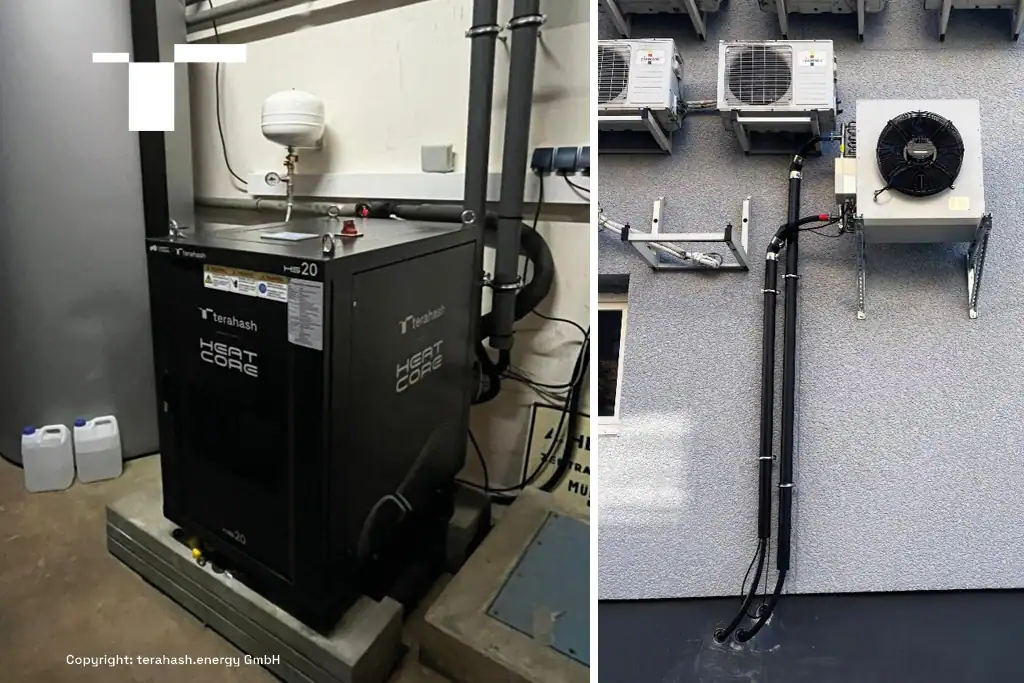
Terahash describes a commissioned system at Nebona’s spice factory: a Heatcore HS20 with two Whatsminer M63 units uses surplus rooftop solar power and supplies hot water to a buffer tank. The existing heating system remains available.

SunBit reports fitting a Bitcoin Boiler alongside the oil boiler in a 200 m² Kotka home. An outdoor unit rejects unwanted summer heat and allows additional use of solar surplus.
Join the ASIC Mining Discussion
Members can read and join the discussion
Log in to read comments from other miners. Create a free account if you would like to ask a question or share your experience.
Membership helps us protect the discussion from spam and keep answers useful.