
Pre-order
Overall ranking

Equihash
·
ZEC
Overall rank#1of 100AvailableAll: #4 / 831
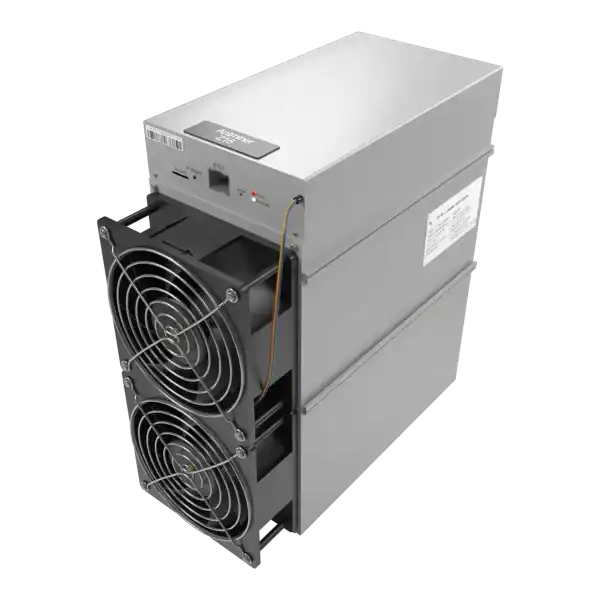

Pre-OrderFree Shipping
Hashrate
525KSOL
Efficiency
4.73W/KSOL
Power
2483W
Earns/kWh
39.8p
Bitcoin Core listlockunspent RPC made simple. See what the feature does, where its limits sit and which checks node or wallet operators should make.
This guide explains Bitcoin Core listlockunspent RPC in plain English. It shows what the command does, what its result means and what it cannot prove.
Bitcoin Core listlockunspent RPC: The lock influences this wallet’s automatic coin selection only. It is not a consensus freeze, covenant, spend or security boundary.
A miner is checking Bitcoin Core listlockunspent RPC. Serialise coin selection so two workers cannot choose an outpoint before the lock becomes visible. Resolve it against current wallet and chain state before attributing value or purpose.
Each entry is an exact txid and vout index. Resolve it against current wallet and chain state before attributing value or purpose. An address-level lock concept is too broad and can miss several outputs to the same destination.
The lock influences this wallet’s automatic coin selection only. It is not a consensus freeze, covenant, spend or security boundary. External signers, other wallet copies and manually constructed transactions need their own controls.
Historical lock behaviour must be tested across daemon and wallet restart rather than assumed. Re-establish reservations from a durable business ledger where required and verify that stale locks do not survive beyond their authorised workflow.

Join the lock list with listunspent or gettxout to confirm existence, value, confirmations and spend status. A locked outpoint can later confirm differently, be spent externally or disappear after reorganisation. Remove stale workflow records explicitly.
Create locks atomically with the job that reserves coins and attach owner, reason and expiry outside the wallet. Serialise coin selection so two workers cannot choose an outpoint before the lock becomes visible.
Locked outpoints expose treasury structure and active business processes. Restrict RPC and redact transaction IDs from routine metrics. Monitor counts and age without publishing raw inventory.
Operators test the command on a non-production node first. They check a normal reply, an invalid request, a timeout and a restart. This shows what the response means and prevents one local result from being mistaken for a network-wide outcome.
Bitcoin Core listlockunspent RPC: The lock influences this wallet’s automatic coin selection only. It is not a consensus freeze, covenant, spend or security boundary.
Each entry is an exact txid and vout index. Resolve it against current wallet and chain state before attributing value or purpose.
The lock influences this wallet’s automatic coin selection only. It is not a consensus freeze, covenant, spend or security boundary.
Historical lock behaviour must be tested across daemon and wallet restart rather than assumed.
listlockunspent is an operational coin-control snapshot, not a blockchain lock. Reliable reservation requires durable workflow ownership, exact outpoint reconciliation and explicit behaviour across restart and concurrent spend paths.
Check the current specification status and the documentation for the exact implementation you operate before moving production funds or changing a mining node.
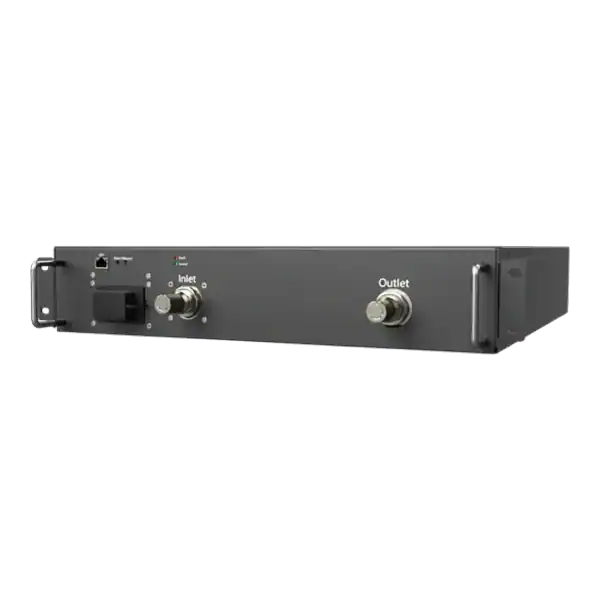

Bitcoin Core 23 restorewallet guide covering backup paths, wallet naming, startup persistence, warnings, rescans, duplicate restores and recovery verification.
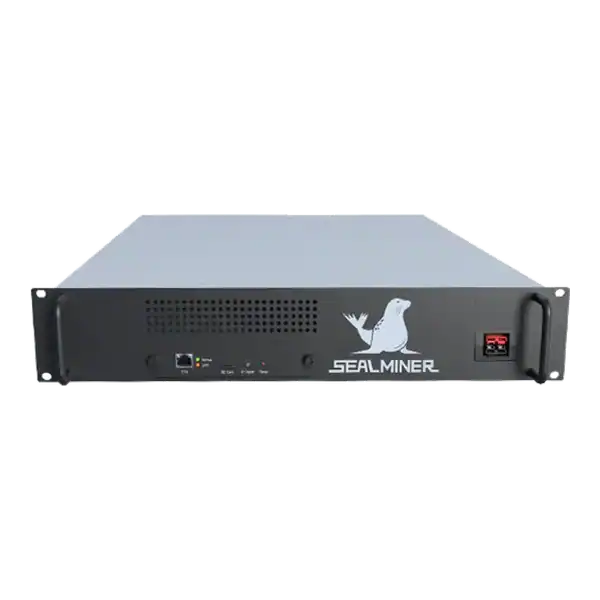
Bitcoin Core 0.21 upgradewallet guide covering explicit versions, generated keys, backup rotation, result fields, compatibility testing and rollback planning.
Bitcoin Core 0.19 setwalletflag guide covering avoid_reuse, rescanning, used-address classification, coin selection, warnings, rollback and wallet safety.

Join the ASIC Mining Discussion
Members can read and join the discussion
Log in to read comments from other miners. Create a free account if you would like to ask a question or share your experience.
Membership helps us protect the discussion from spam and keep answers useful.