

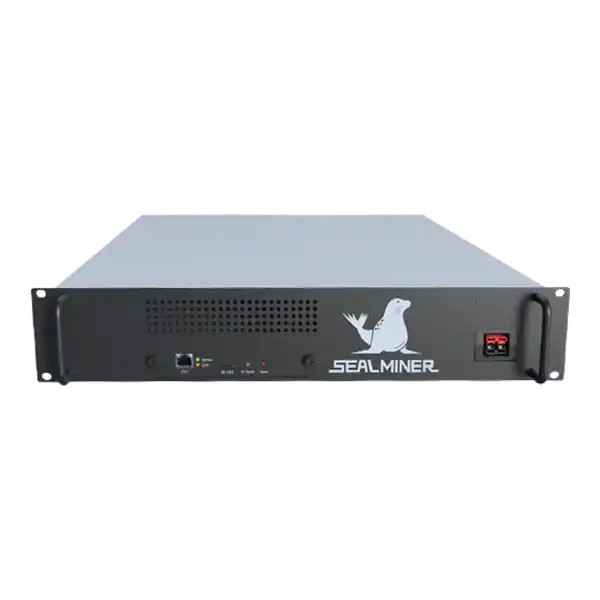
Sealminer A4 Ultra Hydro
Bitcoin & Bitcoin Cash ASIC Miner
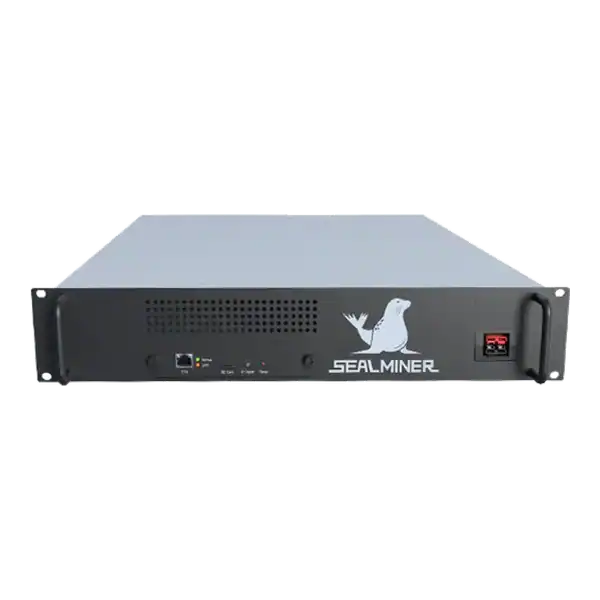

886TH
HASHRATE
9.45W/TH
EFFICIENCY
8373W
POWER
£853.92
EST. MONTHLY
NO PAYBACK
EST. ROI
Bitcoin Core 0.21 getindexinfo guide covering named indexes, synced status, best block height, absent results, chain-tip comparison, monitoring and safe gating.

This guide explains Bitcoin Core getindexinfo RPC in plain English. It shows what the command does, what its result means and what it cannot prove.
Bitcoin Core getindexinfo RPC: synced states whether Core considers that index caught up under its internal contract. Record the node version and query time because restart, reorg or rebuild can change it.
A node operator is checking Bitcoin Core getindexinfo RPC. Only start dependent transaction, filter or statistics queries when the exact required index exists, reports synced and matches the accepted chain context.
The object contains indexes currently running. An absent expected name can mean disabled, unsupported, misspelled or failed configuration; it must not be converted into a healthy false value.
The optional index_name returns only one named result when present. Validate names from the deployed version and handle an empty object explicitly.
synced states whether Core considers that index caught up under its internal contract. Record the node version and query time because restart, reorg or rebuild can change it.

best_block_height is the height processed by the index. Compare it with getblockchaininfo blocks and the active tip hash where possible; equal height alone does not prove the same branch.
Only start dependent transaction, filter or statistics queries when the exact required index exists, reports synced and matches the accepted chain context. Fail closed on regressions.
Poll at a bounded interval with jitter, store transitions rather than every response and correlate with disk, CPU, chain sync and startup logs. Avoid alerting during planned rebuild windows.
Operators test the command on a non-production node first. They check a normal reply, an invalid request, a timeout and a restart. This shows what the response means and prevents one local result from being mistaken for a network-wide outcome.
Bitcoin Core getindexinfo RPC: synced states whether Core considers that index caught up under its internal contract.
The object contains indexes currently running. An absent expected name can mean disabled, unsupported, misspelled or failed configuration.
The optional index_name returns only one named result when present. Validate names from the deployed version and handle an empty object explicitly.
synced states whether Core considers that index caught up under its internal contract.
getindexinfo provides a clean readiness signal for Core indexes when interpreted narrowly. Safe automation requires the expected name, synced state and best height to agree with the active chain before dependent work starts.
Check the current specification status and the documentation for the exact implementation you operate before moving production funds or changing a mining node.



Bitcoin Core 30 data-carrier policy explained: larger OP_RETURN defaults, multiple outputs, aggregate sizing and the boundary between policy and consensus.
Bitcoin Core AssumeUTXO guide covering height 840000 mainnet snapshots, authenticated loading, dual chainstates, background validation, storage and rollback.

Learn how Bitcoin Testnet4 mining works, what it can earn, the costs and security checks, and how a Bitcoin node can support SHA-256 miners.
Join the ASIC Mining Discussion
Members can read and join the discussion
Log in to read comments from other miners. Create a free account if you would like to ask a question or share your experience.
Membership helps us protect the discussion from spam and keep answers useful.