

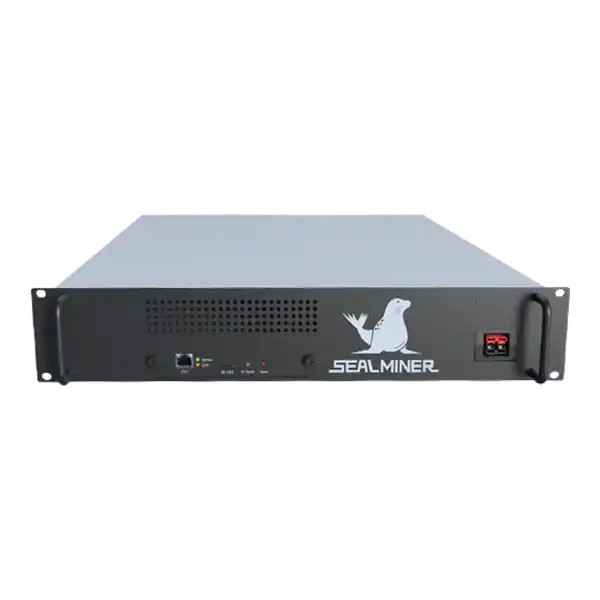
Sealminer DL1 Hydro
Litecoin & Dogecoin ASIC Miner

52.5GH
HASHRATE
149W/GH
EFFICIENCY
7823W
POWER
£772.66
EST. MONTHLY
NO PAYBACK
EST. ROI
Bitcoin Core 0.21 generateblock guide covering custom ordered transactions, address or descriptor rewards, mempool txids, raw transactions, validation and isolation.

This guide explains Bitcoin Core generateblock RPC in plain English. It shows what the command does, what its result means and what it cannot prove.
Bitcoin Core generateblock RPC: Place parents before children and verify inputs, fees, finality, scripts and conflicts. The RPC rejects the whole block when a transaction or ordering rule is invalid.
A miner is checking Bitcoin Core generateblock RPC. A successful call mines before returning and yields one block hash. Record the previous tip, verify new ancestry and contents and account for coinbase maturity in later fixtures.
Operators test the command on a non-production node first. They check a normal reply, an invalid request, a timeout and a restart. This shows what the response means and prevents one local result from being mistaken for a network-wide outcome.
Validate the address network or checksum the output descriptor and retain it as a public fixture. Mining to it does not import the script or prove a signer can spend rewards.
The second argument is required and ordered. Entries can be raw transactions or mempool txids; a txid must already identify a transaction in the node’s current mempool.

Place parents before children and verify inputs, fees, finality, scripts and conflicts. The RPC rejects the whole block when a transaction or ordering rule is invalid.
A successful call mines before returning and yields one block hash. Record the previous tip, verify new ancestry and contents and account for coinbase maturity in later fixtures.
Raw transactions expose complete test intent to the node and logs. Use synthetic keys and values, fixed fixture hashes and controlled mock time where required.
Operators test the command on a non-production node first. They check a normal reply, an invalid request, a timeout and a restart. This shows what the response means and prevents one local result from being mistaken for a network-wide outcome.
Bitcoin Core generateblock RPC: Place parents before children and verify inputs, fees, finality, scripts and conflicts.
Validate the address network or checksum the output descriptor and retain it as a public fixture.
The second argument is required and ordered. Entries can be raw transactions or mempool txids.
Place parents before children and verify inputs, fees, finality, scripts and conflicts.
generateblock gives regtest users exact block composition control. Its usefulness depends on strict network isolation, deterministic synthetic fixtures and independent verification of the returned block and transaction order.
Check the current specification status and the documentation for the exact implementation you operate before moving production funds or changing a mining node.

Bitcoin Core waitfornewblock RPC made simple. See what the feature does, where its limits sit and which checks node or wallet operators should make.
Bitcoin Core waitforblockheight guide covering at-least height waits, timeout returns, response checks, reorganisations, client limits and reliable automation.
Bitcoin Core waitforblock RPC made simple. See what the feature does, where its limits sit and which checks node or wallet operators should make.
Join the ASIC Mining Discussion
Members can read and join the discussion
Log in to read comments from other miners. Create a free account if you would like to ask a question or share your experience.
Membership helps us protect the discussion from spam and keep answers useful.