

Sealminer A4 Ultra Hydro
Bitcoin & Bitcoin Cash ASIC Miner
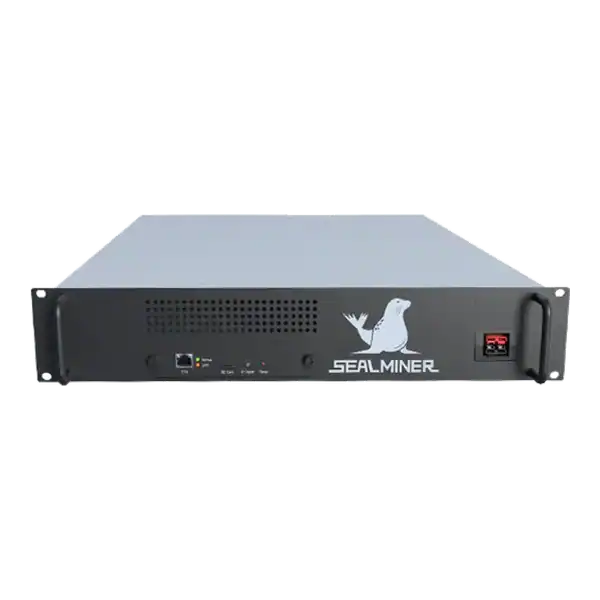

886TH
HASHRATE
9.45W/TH
EFFICIENCY
8373W
POWER
£854.90
EST. MONTHLY
NO PAYBACK
EST. ROI
Bitcoin Core 23 getdeploymentinfo guide covering buried and BIP9 deployments, queried blocks, active versus status, signalling statistics and monitoring.
This guide explains Bitcoin Core getdeploymentinfo RPC in plain English. It shows what the command does, what its result means and what it cannot prove.
Bitcoin Core getdeploymentinfo RPC: With no argument the RPC uses the current chain tip. A block hash queries deployment state at that block.
A node operator is checking Bitcoin Core getdeploymentinfo RPC. Record returned hash and height so dashboards do not silently mix observations. Cross-check chain tip, deployment name, state, height and expected network parameters against independently managed policy, and retain raw snapshots around transition boundaries.
With no argument the RPC uses the current chain tip; a block hash queries deployment state at that block. Record returned hash and height so dashboards do not silently mix observations.
Each named deployment is buried or bip9. Buried entries chiefly report enforcement height, while BIP9 entries can include bit, start time, timeout, minimum activation height and period state.
active says rules are enforced for the mempool and the next block at the queried point. For BIP9, status describes the selected block while status_next describes the following block.

During started or locked_in periods the response can include period, threshold, elapsed, count, possible and a signalling string. Miner signalling is not identical to final activation or user acceptance.
A queried tip can become stale. Store block identity, repeat after reorgs and alert on chain disagreement before treating a deployment transition as durable.
Client code must pin the 23.0 schema and not scrape the deprecated getblockchaininfo shape. Optional fields depend on type and status and must be handled conditionally.
Cross-check chain tip, deployment name, state, height and expected network parameters against independently managed policy, and retain raw snapshots around transition boundaries. Build a revision-pinned evidence pack on an isolated node, wallet or protocol harness. Record source commit, binary hash, network, chain identity, configuration and dependencies.
Bitcoin Core getdeploymentinfo RPC: With no argument the RPC uses the current chain tip. A block hash queries deployment state at that block.
With no argument the RPC uses the current chain tip. A block hash queries deployment state at that block.
Each named deployment is buried or bip9. Buried entries chiefly report enforcement height, while BIP9 entries can include bit, start time, timeout, minimum activation height and period state.
active says rules are enforced for the mempool and the next block at the queried point.
getdeploymentinfo is authoritative for one node’s deployment view at one block. Reliable automation preserves that context, distinguishes signalling from enforcement and re-evaluates state across reorganisations and upgrades.
Check the current specification status and the documentation for the exact implementation you operate before moving production funds or changing a mining node.
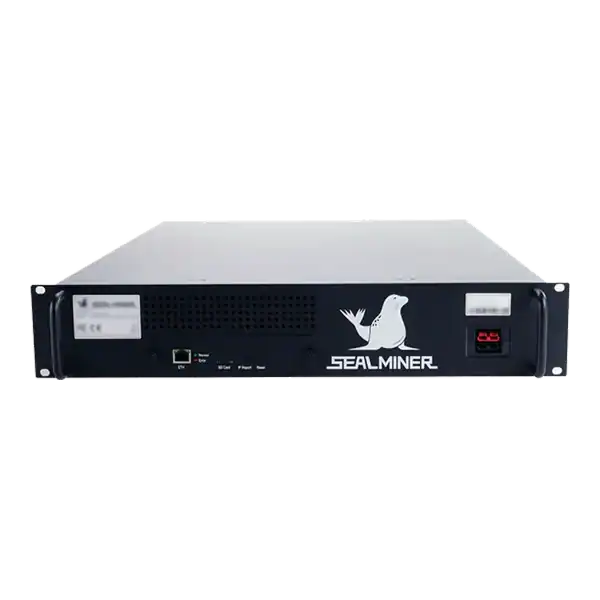
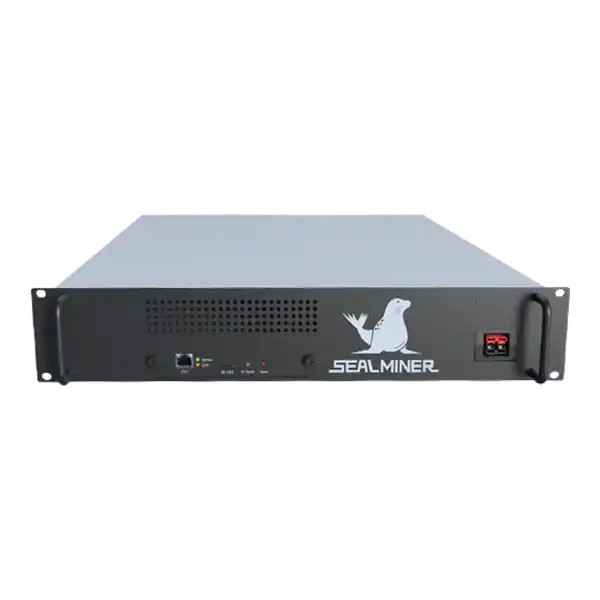

Bitcoin Core waitfornewblock RPC made simple. See what the feature does, where its limits sit and which checks node or wallet operators should make.

Bitcoin Core waitforblockheight guide covering at-least height waits, timeout returns, response checks, reorganisations, client limits and reliable automation.
Bitcoin Core waitforblock RPC made simple. See what the feature does, where its limits sit and which checks node or wallet operators should make.
Join the ASIC Mining Discussion
Members can read and join the discussion
Log in to read comments from other miners. Create a free account if you would like to ask a question or share your experience.
Membership helps us protect the discussion from spam and keep answers useful.