
Pre-order
Overall ranking

Equihash
·
ZEC
Overall rank#1of 100AvailableAll: #4 / 831
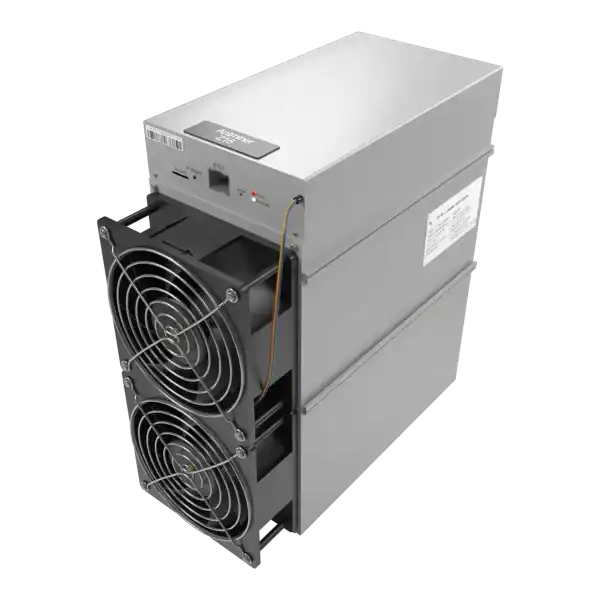

Pre-OrderFree Shipping
Hashrate
525KSOL
Efficiency
4.73W/KSOL
Power
2483W
Earns/kWh
40.0p
Bitcoin Core getblockheader guide covering raw and verbose modes, confirmations, Merkle roots, times, difficulty, chainwork, ancestry and fork inspection.

This guide explains Bitcoin Core getblockheader RPC in plain English. It shows what the command does, what its result means and what it cannot prove.
Bitcoin Core getblockheader RPC: The header commits to a transaction Merkle root, but getblockheader provides no transactions or inclusion path. To prove inclusion, get the transaction, its Merkle branch and the exact active header, then verify under Bitcoin’s transaction-tree rules and check enough active-chain depth.
A miner is checking Bitcoin Core getblockheader RPC. For raw mode, enforce exact expected header length for the historical consensus format, parse byte order correctly and double-hash the header to verify it matches the requested display hash.
verbose defaults true and returns JSON; false returns serialised header hex. Pin the mode and response schema. For raw mode, enforce exact expected header length for the historical consensus format, parse byte order correctly and double-hash the header to verify it matches the requested display hash.
confirmations is positive on the active chain and minus one for a known non-active block. That state can change after a reorganisation. Pair the observation with current best tip and chainwork and avoid claiming an old side-branch header is invalid merely because it is not active.
The header commits to a transaction Merkle root, but getblockheader provides no transactions or inclusion path. To prove inclusion, get the transaction, its Merkle branch and the exact active header, then verify under Bitcoin’s transaction-tree rules and check enough active-chain depth.

time is the miner-selected header timestamp constrained by consensus ranges, while mediantime derives from prior blocks and is used by several rules. Neither is a precise real-world event clock. Historical publication or payment systems should use observed time separately and avoid equating header time with receipt time.
bits encodes the proof-of-work target, difficulty is a human-facing ratio and chainwork accumulates expected work. Verify header proof of work and difficulty transitions rather than trusting formatted values. Preserve chainwork as a large integer, not a floating-point number.
previousblockhash links ancestry; nextblockhash is contextual and generally meaningful for active-chain data known to the node. Walk previous hashes to validate a chain segment. Do not assume one returned next hash proves there are no competing children or known forks.
Operators test the command on a non-production node first. They check a normal reply, an invalid request, a timeout and a restart. This shows what the response means and prevents one local result from being mistaken for a network-wide outcome.
Bitcoin Core getblockheader RPC: The header commits to a transaction Merkle root, but getblockheader provides no transactions or inclusion path.
verbose defaults true and returns JSON. False returns serialised header hex. Pin the mode and response schema.
confirmations is positive on the active chain and minus one for a known non-active block.
The header commits to a transaction Merkle root, but getblockheader provides no transactions or inclusion path.
getblockheader exposes the compact proof-of-work and ancestry record, but its interpretation depends on active-chain context. Safe use verifies raw identity, work and links and get separate evidence for transaction inclusion.
Check the current specification status and the documentation for the exact implementation you operate before moving production funds or changing a mining node.
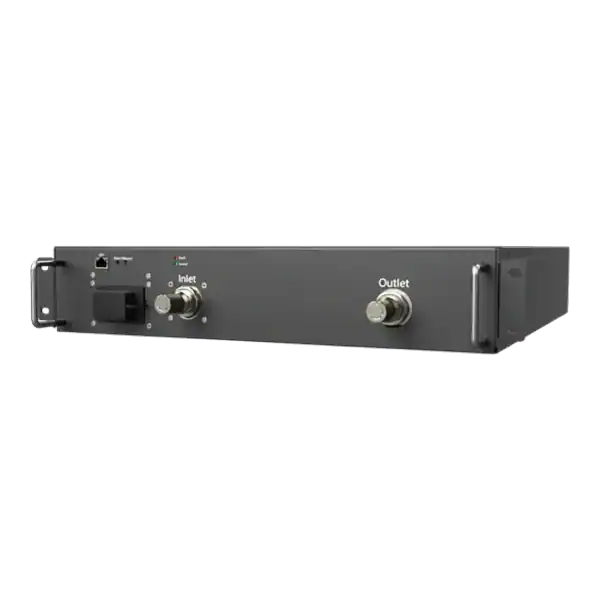


Bitcoin Core waitfornewblock RPC made simple. See what the feature does, where its limits sit and which checks node or wallet operators should make.

Bitcoin Core waitforblockheight guide covering at-least height waits, timeout returns, response checks, reorganisations, client limits and reliable automation.
Bitcoin Core waitforblock RPC made simple. See what the feature does, where its limits sit and which checks node or wallet operators should make.

Join the ASIC Mining Discussion
Members can read and join the discussion
Log in to read comments from other miners. Create a free account if you would like to ask a question or share your experience.
Membership helps us protect the discussion from spam and keep answers useful.