

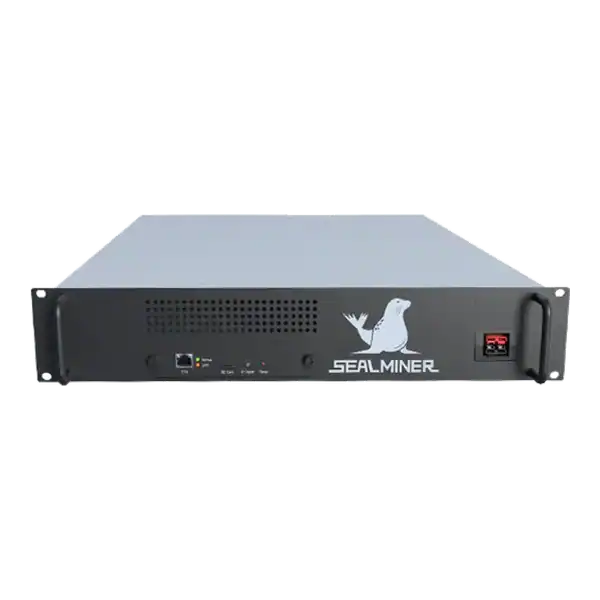
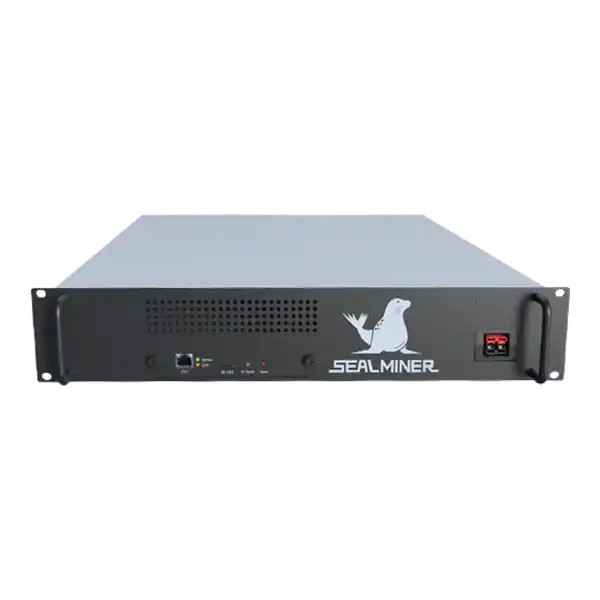
Sealminer A4 Ultra Hydro
Bitcoin & Bitcoin Cash ASIC Miner

886TH
HASHRATE
9.45W/TH
EFFICIENCY
8373W
POWER
£846.49
EST. MONTHLY
NO PAYBACK
EST. ROI
Bitcoin Core 0.20.1 guide covering peer discouragement, wallet notifications, PSBT UTXO compatibility, concurrent wallet loading, mining templates and rollback.
This guide explains Bitcoin Core 0.20.1 release in plain English. It summarises the important changes, who they affect and what should be checked before an upgrade.
Bitcoin Core 0.20.1 release: The release handled concurrent wallet loading, fixed decodepsbt input-value double counting and restored expected!segwit and csv entries in getblocktemplate rules.
A node operator is checking Bitcoin Core 0.20.1 release. Discouragement did not use a fixed 24-hour timeout, was not persisted across restart, could not be listed and could not be individually removed through setban.
Misbehaving addresses became discouraged rather than described as strictly banned. Incoming connections could still occur, but discouraged peers were preferred for eviction.
Discouragement did not use a fixed 24-hour timeout, was not persisted across restart, could not be listed and could not be individually removed through setban. Restart cleared all discouragement.
walletnotify again fired when wallet transactions left the mempool because a new block conflicted with them. Consumers must handle a notification as a state-change trigger, not guaranteed payment finality.

SegWit inputs included both non-witness and witness UTXO records to support stricter signers while preserving older detection behaviour. Validate duplicate consistency and transaction identity.
The release handled concurrent wallet loading, fixed decodepsbt input-value double counting and restored expected!segwit and csv entries in getblocktemplate rules.
The source tarball still lacked generated configure and required the documented autogen and genbuild handling. Prefer verified signed distributions or reproduce the exact build process.
Node operators test the release on a representative non-production system. They check startup, normal operation, failure handling and restart before changing a live node. Connected wallets, monitoring and mining services should also be checked.
Bitcoin Core 0.20.1 release: The release handled concurrent wallet loading, fixed decodepsbt input-value double counting and restored expected!segwit and csv entries in getblocktemplate rules.
Misbehaving addresses became discouraged rather than described as strictly banned. Incoming connections could still occur, but discouraged peers were preferred for eviction.
Discouragement did not use a fixed 24-hour timeout, was not persisted across restart, could not be listed and could not be individually removed through setban.
walletnotify again fired when wallet transactions left the mempool because a new block conflicted with them.
Bitcoin Core 0.20.1 fixed important integration edges while changing peer-control semantics. Operators should test notifications, PSBT consumers, wallet concurrency and incident procedures rather than relying on the minor version label.
Check the current specification status and the documentation for the exact implementation you operate before moving production funds or changing a mining node.


Bitcoin Core 0.20.2 guide to discouragement, wallet notifications, PSBT UTXO compatibility, Bech32m, source builds and rollback.
Bitcoin Core 0.21.2 guide to address-relay limits, scan progress, wallet access, includeconf parsing, build compatibility and upgrade tests.
Bitcoin Core 0.21.1 guide covering Taproot Speedy Trial parameters, enforcement boundary, miner signalling, Bech32m address handling, wallet limits and rollout.
Join the ASIC Mining Discussion
Members can read and join the discussion
Log in to read comments from other miners. Create a free account if you would like to ask a question or share your experience.
Membership helps us protect the discussion from spam and keep answers useful.