
Pre-order
Overall ranking

Equihash
·
ZEC
Overall rank#1of 100AvailableAll: #2 / 831
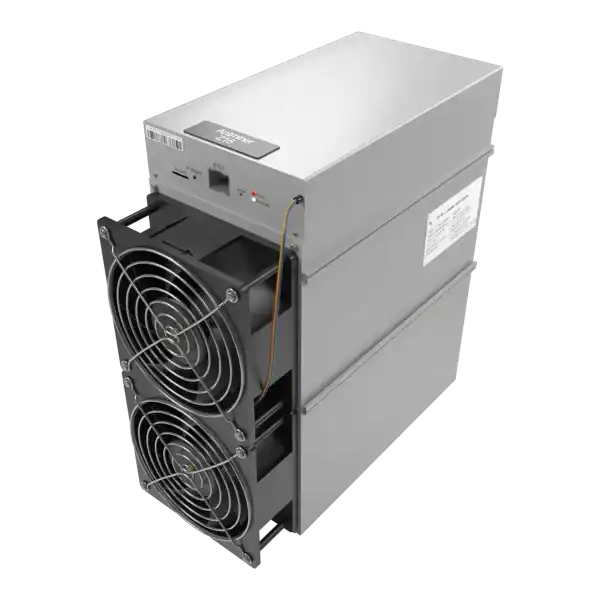

Pre-OrderFree Shipping
Hashrate
525KSOL
Efficiency
4.73W/KSOL
Power
2483W
Earns/kWh
42.2p
Manage ASIC mining margin compression by measuring efficiency, reducing rejects, controlling energy and setting curtailment, repair and replacement triggers.
ASIC mining margin compression occurs when revenue per unit of hashrate falls or the cost of producing it rises. Operators cannot control coin price or network difficulty. But they can measure facility efficiency, remove hidden losses, dispatch the fleet by marginal contribution and protect cash. Survival depends on written thresholds rather than waiting for every machine to become unprofitable at once.
ASIC mining margin compression: Mining margin narrows when credited Bitcoin or sterling revenue falls relative to electricity, cooling, hosting, pool and maintenance costs.
A miner wants to understand ASIC mining margin compression. Gross miner revenue compared with a facility electricity bill is incomplete if the revenue covers accepted work for only part of the fleet or the bill includes cooling and idle equipment.
Mining margin narrows when credited Bitcoin or sterling revenue falls relative to electricity, cooling, hosting, pool and maintenance costs. Network difficulty, total hashrate, transaction fees, coin price, payout method and uptime can all change revenue. Tariffs, temperature and faults change cost.
Use the same period and boundary. Gross miner revenue compared with a facility electricity bill is incomplete if the revenue covers accepted work for only part of the fleet or the bill includes cooling and idle equipment. Reconcile worker, meter and invoice data.
A machine can remain gross revenue positive while destroying cash after energy. It can also cover energy but fail to contribute enough to fixed rent, staffing and finance. Label each margin clearly.

Group machines by model, power profile, condition and circuit. For each group record accepted hashrate, wall power, allocated auxiliary power, pool credit, rejects, availability and repair spend. Daily averages should cover representative conditions rather than a single stable hour.
Variable contribution equals credited revenue minus costs avoided when the group stops. Fixed overhead remains important for cash planning but should not be allocated in a way that hides which machines are still helping to pay it.
| Metric | Calculation | Decision use |
|---|---|---|
| Facility J/TH | Total relevant watts ÷ accepted TH/s | Compare operating groups |
| Energy break even | Revenue ÷ relevant kWh | Set tariff or curtailment trigger |
| Reject rate | Rejected shares ÷ submitted shares | Find network or configuration loss |
| Availability | Hashing time ÷ scheduled time | Value repair and spares |
| Variable contribution | Revenue minus avoidable cost | Run or stop decision |
Compare local and pool accepted hashrate. High rejects, stale shares, wrong worker credentials, unstable firmware or a poor network route consume power without full credit. Test primary and failover endpoints and alert on unauthorised payout changes.
Reduce preventable downtime. Track failure by board, fan, power supply and environmental cause. A targeted spare holding can be valuable when delivery delay exceeds the expected contribution lost. But excessive inventory ties up cash and can become obsolete.
Reconcile pool statements against expected method and actual shares. Do not infer underpayment from short pool luck without understanding whether the method is FPPS, PPLNS or another model.
Correct hot air recirculation, blocked filters, failed fans, poor liquid flow and unnecessary pressure loss. Cooling improvements should be measured at the facility meter, because a miner dashboard does not include every fan, pump or transformer loss.
A supported lower power profile may reduce watts faster than accepted hashrate and improve J/TH. Test it over a representative period and check warranty. A profile that increases errors or restarts can look efficient locally while reducing pool revenue.
Sequence the fleet so efficient, reliable machines receive the best cooling and uptime. Older marginal units can become controllable load for cheap energy periods rather than operating continuously.
Separate commodity price, network charges, taxes, capacity, demand and hosting components. A quoted pence per kWh may exclude material fixed or pass through amounts. Model the cost at the fleet’s actual load factor.
Time varying power can improve margin if the mine can respond without violating connection or hosting terms. Set a dispatch rule using energy break even and minimum risk margin. Include restart labour and reduced uptime.
Review fixed term commitments before assuming curtailment saves the full tariff. A take or pay energy contract or flat hosting charge can remain payable when miners stop.
Compare the new machine with keeping, underclocking, selling and stopping the old one. Use delivered purchase price, VAT treatment with advice, installation, siting, lead time, finance, warranty and expected resale. Do not value a machine only from today’s revenue.
Calculate energy saving at the same accepted hashrate where possible. If replacement saves 800 W continuously, annual energy saving at full availability is about 7,008 kWh before cooling effects. Multiply by the relevant future tariff, not a promotional rate.
The purchase must survive a revenue and difficulty stress case. Efficiency raises the energy break even price but cannot guarantee profitability or protect against a hardware failure.
Fix measurement, rejects and cooling first. Apply supported efficient profiles, negotiate controllable energy and focus repair resources on machines with a credible payback.
Preserve a cash reserve instead of automatically reinvesting every payout.
Curtail the weakest group when expected revenue no longer covers avoidable cost plus the required risk margin. Review whether cheap periods, repair, sale or parts recovery offer greater future value.
Do not keep running to recover the purchase price. Sunk cost does not improve the next hour’s economics.
Review the contribution table at a fixed cadence and whenever revenue, difficulty, tariff or fleet state moves materially. Keep the calculation reproducible so operators and finance use the same numbers.
ASIC mining margin compression: Mining margin narrows when credited Bitcoin or sterling revenue falls relative to electricity, cooling, hosting, pool and maintenance costs.
Mining margin narrows when credited Bitcoin or sterling revenue falls relative to electricity, cooling, hosting, pool and maintenance costs.
Group machines by model, power profile, condition and circuit. For each group record accepted hashrate, wall power, allocated auxiliary power, pool credit, rejects, availability and repair spend.
Compare local and pool accepted hashrate. High rejects, stale shares, wrong worker credentials, unstable firmware or a poor network route consume power without full credit.
ASIC mining margin compression rewards accurate operators. Measure contribution at the facility and pool, recover rejected or unavailable hashrate, reduce total watts and dispatch each group by a written threshold. Replacement hardware is one tool, not the first answer. Preserve cash and stop negative future contribution without letting the original purchase price dictate the decision.
Compare current ASIC efficiency, value and profitability on The Mining Shop UK, then request a fleet or hosting review using your measured tariff and accepted hashrate.
Rank each operating group by measured revenue, accepted hashrate, total variable power and reliability. Fix rejects, recirculation, downtime and tariff errors before buying replacement hardware.
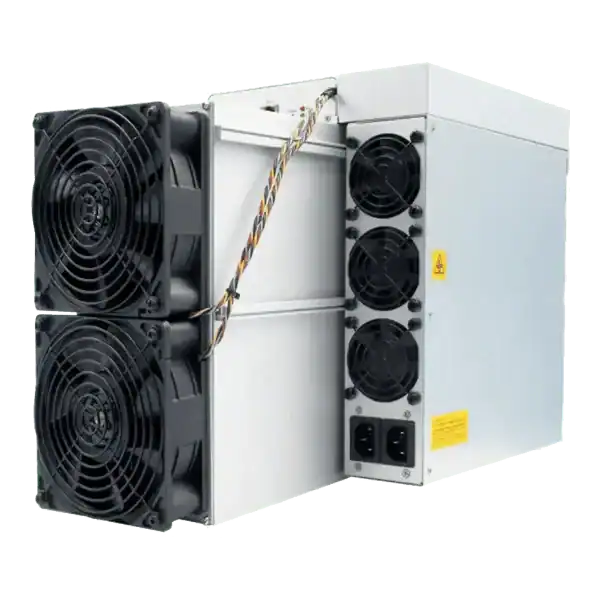
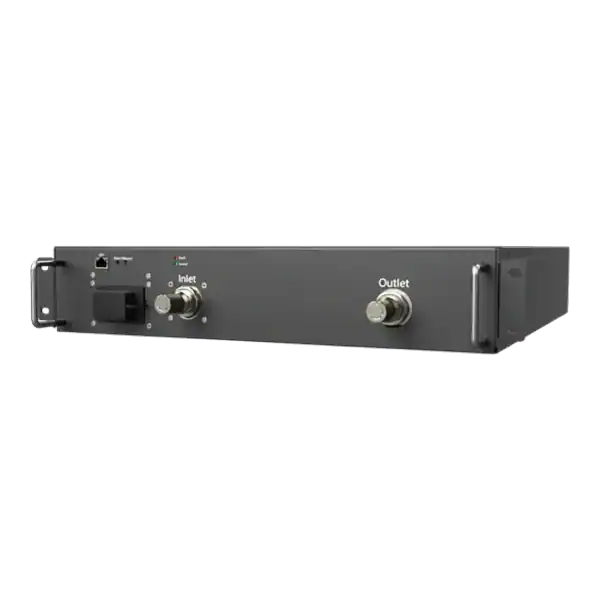
Bitcoin mining community impact assessment: assess Bitcoin mining community impact through noise, traffic, visual change, electricity, water, air, jobs, heat.
What is mNAV? Learn how a Bitcoin treasury company compares enterprise value with its Bitcoin reserve, why definitions differ and which risks the ratio hides.

Strategy formerly MicroStrategy combines analytics software with a large Bitcoin treasury. Learn how its funding works and what risks UK readers should check.

Join the ASIC Mining Discussion
Members can read and join the discussion
Log in to read comments from other miners. Create a free account if you would like to ask a question or share your experience.
Membership helps us protect the discussion from spam and keep answers useful.