Namecoin Mining Guide: SHA-256 Hardware and Risks explains where Namecoin fits in proof of work, what hardware is relevant and which facts must be checked before committing power or equipment.
TL;DR
Namecoin Mining Guide: SHA-256 Hardware and Risks explains where Namecoin fits in proof of work, what hardware is relevant and which facts must be checked before committing power or equipment.
- Confirm the current Namecoin consensus rules and active mining algorithm before choosing hardware.
- SHA-256 compatibility does not by itself prove that a network has useful liquidity, pool support or sustainable demand.
- Use current pool, wallet, exchange and network documentation because smaller projects can change or become inactive.
- Treat revenue estimates as a comparison only and include electricity, fees, downtime and hardware resale risk.

Background and purpose
Let’s start with the obvious question that’s probably bouncing around in your head like a confused cryptocurrency trader: what exactly is Namecoin, and why should anyone care about yet another digital currency when we already have more Bitcoin forks than there are flavors of energy drinks at your local gas station?
What makes the concept about Namecoin genuinely significant is that it wasn’t designed to be just another digital currency, it was created to solve one of the internet’s most fundamental problems: the centralized control of domain names. Treat it as the cryptocurrency that decided to take on the entire internet infrastructure instead of just trying to replace your wallet.
The technical innovation about Namecoin lies in its ability to store data directly in its blockchain, making it a hybrid between a cryptocurrency and a decentralized database. This seemingly simple addition to Bitcoin’s code opened up possibilities that the original Bitcoin developers had never even considered, creating what might be the first truly useful application of blockchain technology beyond just moving money around.
The economic model about Namecoin follows Bitcoin’s structure with a 21-million coin limit, but adds the unique feature of requiring users to burn (permanently destroy) coins when registering domain names. This creates deflationary pressure beyond just mining rewards, making it one of the few cryptocurrencies where the primary use case reduces the total supply over time.
The SHA-256 Connection: Mining Democracy in Action
The technical elegance about Namecoin’s merged mining implementation was notable when it launched and remains impressive today. The system allows miners to submit valid proofs-of-work to both the Bitcoin and Namecoin networks simultaneously, essentially giving them two chances to earn rewards for the same computational work.
What makes this particularly clever about Namecoin is how it solved the chicken-and-egg problem that plagues most new cryptocurrencies. New coins typically struggle to attract miners because low hashrates make the network insecure, but nobody wants to mine an insecure network. Namecoin bypassed this entirely by piggybackingon Bitcoin’s security.
The mining pools about Namecoin include several major Bitcoin pools that offer merged mining options, including Slush Pool, one of the oldest and most respected mining pools in the cryptocurrency space. These pools automatically distribute both Bitcoin and Namecoin rewards to miners, making the process seamless and accessible.
The hashrate statistics about Namecoin show a network that’s orders of magnitude more secure than most standalone cryptocurrencies, thanks to the borrowed security from Bitcoin miners. This high level of security is crucial for a project that aims to provide censorship-resistant infrastructure for the internet.
The .bit development: Decentralized Domains That Work
The flagship application about Namecoin is its .bit domain system, which represents one of the most practical implementations of blockchain technology for solving real-world problems. Unlike traditional domain names controlled by centralized authorities, .bit domains are owned and controlled entirely by whoever holds the private keys.
The censorship resistance about Namecoin domains makes them particularly valuable for activists, journalists, and anyone else who might face pressure to remove content from the internet. Traditional domains can be seized, blocked, or taken down by authorities, but .bit domains exist independently of any central authority’s control.
The technical implementation about Namecoin’s domain system stores all domain information directly in the blockchain, including DNS records, website content, and even complete websites in some cases. This creates a permanent, uncensorable record that continues to exist as long as the Namecoin network operates.
The practical limitations about Namecoin domains include the need for special software or browser extensions to access .bit websites, which has limited their adoption among mainstream internet users. However, for those who need truly censorship-resistant web presence, these technical hurdles are a small price to pay for digital freedom.
The renewal system about Namecoin domains requires owners to update their registrations approximately every 200 days or risk losing their domains to expiration. This system prevents domain squatting while ensuring that active domains remain under their owners’ control indefinitely.
Beyond Domains: The Broader Namecoin Ecosystem
The identity management capabilities about Namecoin extend far beyond just domain registration to include a comprehensive system for storing and managing digital identities. The NameID system allows users to create blockchain-based profiles that can be used for authentication across multiple websites and services.
The integration possibilities about Namecoin include connections with existing web services through OpenID providers, browser extensions, and various software implementations that make blockchain-based identities accessible to everyday internet users. These tools bridge the gap between current cryptography and practical usability.
The privacy benefits about Namecoin’s approach to identity management include the ability to use pseudonymous identities that can’t be linked to real-world personas without voluntary disclosure. This provides a level of privacy protection that’s impossible with traditional identity systems controlled by corporations or governments.
The development activity about Namecoin continues with regular updates to wallet software, identity management tools, and domain resolution systems. The project maintains active development despite not seeking the spotlight that many newer cryptocurrency projects crave.
The philosophical foundation about Namecoin aligns with the original cypherpunk vision of using cryptography to protect individual privacy and freedom. The project represents a practical implementation of the idea that code can be law, and that mathematical proofs can protect rights more effectively than legal documents.
Technical Infrastructure: Building Internet Freedom
The blockchain architecture about Namecoin demonstrates how small modifications to Bitcoin’s codebase can enable entirely new categories of applications. The ability to store arbitrary data in blockchain transactions opened possibilities that continue to influence blockchain development today.
The data storage capabilities about Namecoin allow for storing up to 520 bytes of information per transaction, which is sufficient for domain records, identity information, and various other data types. This storage is permanent and immutable once confirmed by the network, creating a censorship-resistant database.
The wallet software about Namecoin includes both full node implementations (Namecoin Core) and lightweight clients (Electrum-NMC) that provide different levels of security and convenience. The full node software allows users to independently verify all blockchain data, while lightweight clients offer faster synchronization and lower storage requirements.
The network security about Namecoin benefits from the mature, battle-tested SHA-256 algorithm and the massive hashrate provided by Bitcoin miners. This security level far exceeds what most standalone cryptocurrencies can achieve, making Namecoin one of the most secure blockchain networks in existence.
The development philosophy about Namecoin emphasizes conservative, well-tested improvements over flashy new features. This approach has resulted in a stable, reliable system that has operated continuously for over a decade without major security incidents or network failures.
The interoperability features about Namecoin include compatibility with Bitcoin mining infrastructure, integration with existing web technologies, and support for various blockchain analysis and exploration tools. This compatibility makes it easier for users and developers to work with Namecoin without learning entirely new systems.
Real-World Applications: Freedom in Practice
The practical utility about Namecoin extends beyond theoretical applications to include real websites, services, and organizations that use .bit domains for censorship-resistant communication. These use cases demonstrate the value of decentralized internet infrastructure in practice.
The activist community about Namecoin includes journalists, dissidents, and organizations operating in countries with restrictive internet policies. The ability to maintain web presence without relying on traditional domain registrars provides crucial protection for those facing government pressure or corporate censorship.
The technical community about Namecoin includes developers working on various projects that leverage the blockchain for identity management, secure communications, and decentralized applications. These projects demonstrate the broader potential of blockchain-based naming systems beyond just domain registration.
The business applications about Namecoin include companies that want to maintain web presence without depending on traditional internet infrastructure that can be disrupted by regulatory changes, technical failures, or political pressures. This provides a level of business continuity that’s impossible with conventional domains.
The educational value about Namecoin includes its role as a working example of how blockchain technology can be applied to solve practical problems beyond just creating digital currencies. The project serves as a case study in practical blockchain implementation for students and researchers.
The historical significance about Namecoin as the first Bitcoin fork and the first implementation of merged mining has influenced countless other cryptocurrency projects. Many of the concepts pioneered by Namecoin have been adopted and adapted by newer blockchain projects.
Market Dynamics: Value Beyond Speculation
The economic model about Namecoin creates interesting dynamics that differ significantly from purely speculative cryptocurrencies. The requirement to burn coins for domain registration creates genuine demand based on utility rather than just investment speculation.
The trading volume about Namecoin tends to be relatively low compared to major cryptocurrencies, reflecting its focus on utility rather than speculation. This creates a more stable price environment but can make it challenging for traders looking for high liquidity.
The market capitalization about Namecoin reflects its niche position as a utility-focused cryptocurrency rather than a speculative investment vehicle. The project’s developers actively discourage treating NMC as an investment, emphasizing its intended use for domain registration and identity management.
The exchange availability about Namecoin includes several established cryptocurrency exchanges, though the project’s focus on utility over speculation means it’s not available on every major exchange. Users can typically acquire NMC through mining, direct purchase, or trading.
The price stability about Namecoin benefits from its utility-driven demand and the deflationary pressure created by coin burning for domain registration. While all cryptocurrencies experience volatility, NMC’s price tends to be less driven by pure speculation than many alternatives.
The long-term value proposition about Namecoin depends on growing adoption of decentralized internet infrastructure and increasing awareness of internet censorship issues. As these concerns become more prominent, demand for censorship-resistant domains may increase significantly.
Mining and Earning: Getting Your Namecoins
The mining accessibility about Namecoin through merged mining with Bitcoin makes it one of the most accessible cryptocurrencies for miners who are already participating in Bitcoin mining. The additional rewards come essentially for free, requiring no extra investment in hardware or electricity.
The pool options about Namecoin include several well-established Bitcoin mining pools that offer merged mining, making it easy for miners to start earning NMC without changing their existing mining setup. Popular pools include Slush Pool, which has supported Namecoin merged mining for many years.
The profitability calculations about Namecoin mining are straightforward for Bitcoin miners, it’s pure profit since there are no additional costs. For miners not already mining Bitcoin, the economics depend on electricity costs and hardware efficiency, similar to any SHA-256 cryptocurrency.
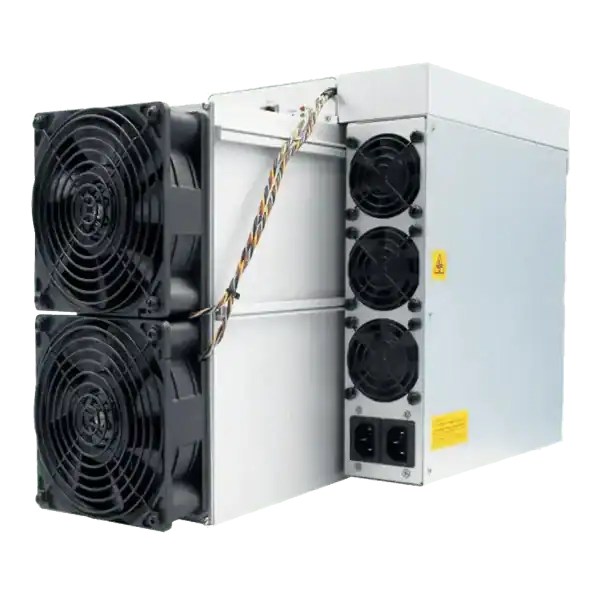
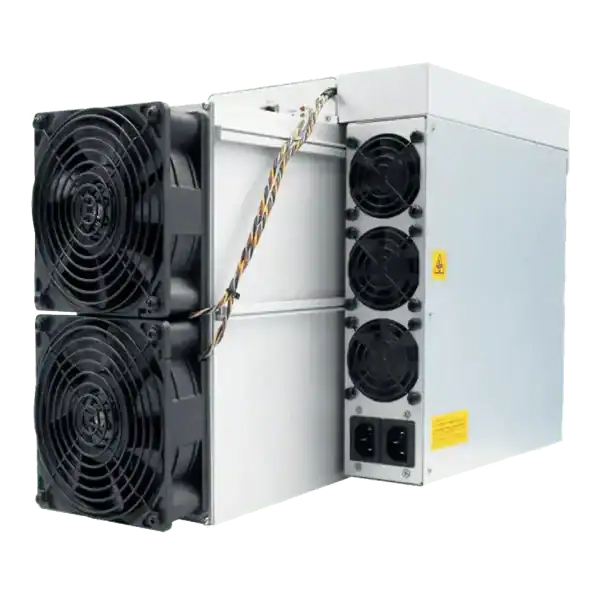
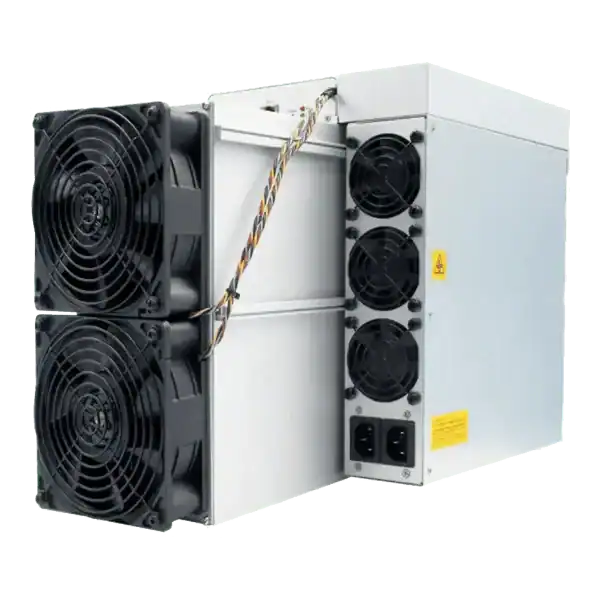
The hardware requirements about Namecoin mining are identical to Bitcoin mining, meaning ASIC miners designed for SHA-256 are the most efficient option. However, the merged mining capability means that any Bitcoin mining operation can also mine Namecoin without additional hardware investment.
The earning potential about Namecoin through mining provides a supplementary income stream for Bitcoin miners, though the exact amount depends on the current NMC price and network difficulty. The rewards are typically modest but represent free additional income for existing Bitcoin miners.
The technical setup about Namecoin mining through pools is usually handled automatically, with miners simply needing to ensure their chosen pool supports merged mining and provides NMC payouts along with Bitcoin rewards.
Current status and outlook
The development roadmap about Namecoin focuses on improving usability, expanding compatibility with existing web infrastructure, and enhancing the security and reliability of the domain name system. The project prioritizes gradual, well-tested improvements over dramatic changes.
The adoption challenges about Namecoin include the need for specialised software to access .bit domains and the general public’s unfamiliarity with decentralized internet infrastructure. However, growing awareness of internet censorship may drive increased interest in these solutions.
The technological evolution about Namecoin includes ongoing work on improved wallet software, better integration with web browsers, and enhanced tools for managing domains and identities. The development team continues to refine the system based on user feedback and changing requirements.
The competitive landscape about Namecoin includes newer blockchain projects that offer alternative approaches to decentralized naming and identity systems. However, Namecoin’s first-mover advantage and proven track record provide significant advantages in terms of security and reliability.
The regulatory environment about Namecoin and decentralized naming systems continues to evolve as governments grapple with how to handle internet infrastructure that operates outside traditional regulatory frameworks. The project’s decentralized nature makes it resistant to regulatory pressure.
The community growth about Namecoin depends on increasing awareness of internet freedom issues and the value of censorship-resistant infrastructure. While growth has been gradual, the community remains committed to the project’s core mission of protecting digital rights.
Practical setup checks
For newcomers interested in learning about Namecoin, the best starting point is understanding the distinction between using NMC as a currency and using it for its intended purpose of registering domains and managing digital identities.
The wallet setup about Namecoin can be accomplished using either the full Namecoin Core client for maximum security and functionality, or the lighter Electrum-NMC client for faster synchronization and lower storage requirements. Both wallets support the domain registration features that make Namecoin unique.
Domain registration about Namecoin requires understanding the process of choosing domain names, formatting the required data, and submitting registration transactions through the wallet software. The process is more technical than traditional domain registration but provides much greater control and security.
The learning curve about Namecoin includes understanding basic cryptocurrency concepts as well as domain name system (DNS) fundamentals. The project provides documentation and community support to help newcomers navigate both aspects of the system.
Community participation about Namecoin includes forums, development discussions, and various projects that extend the capabilities of the blockchain-based naming system. The community welcomes newcomers who are interested in internet freedom and decentralized technologies.
The practical applications about Namecoin become apparent once users understand how to register and use .bit domains for censorship-resistant websites, secure communications, and identity management. These applications provide concrete benefits that justify the technical complexity.
Practical conclusion
As we wrap up this comprehensive exploration of Namecoin, it’s clear that this project represents something far more significant than just another cryptocurrency, it’s a working prototype of what the internet could become if we prioritized freedom over convenience and decentralization over profit.
The historical importance about Namecoin as the first Bitcoin fork established many of the concepts that thousands of later cryptocurrency projects would adopt. More importantly, it demonstrated that blockchain technology could be used for applications far beyond just digital money.
For miners already participating in Bitcoin mining, the opportunity about Namecoin through merged mining represents free additional income with no extra effort or investment. This makes it one of the most accessible cryptocurrencies for existing miners to add to their operations.
The philosophical significance about Namecoin extends beyond just technology to encompass fundamental questions about who controls the internet and whether digital freedom can be protected through mathematics rather than legal frameworks.
Whether Namecoin achieves broader adoption will depend largely on how internet censorship and centralized control evolve over time. As these issues become more prominent, the value of censorship-resistant infrastructure may become more widely appreciated.
The lessons about Namecoin’s development approach, prioritizing utility over speculation, focusing on solving real problems, and maintaining long-term vision despite market pressures, offer valuable insights for the entire cryptocurrency ecosystem.
Sometimes the most important innovations are the ones that work quietly in the background, protecting rights and freedoms that most people take for granted. In a world where internet freedom is increasingly under threat, projects like Namecoin provide crucial infrastructure for maintaining the open, decentralized internet that cryptocurrency was supposed to enable.
What to verify before acting
Mining networks, pool support, firmware, exchange access and hardware availability can change. Verify the current network documentation, test with a small controlled configuration and do not rely on a historical profitability figure when purchasing equipment.
Useful next steps
Authoritative references
Check current official documentation alongside this article because network rules, product ranges and legal guidance can change.