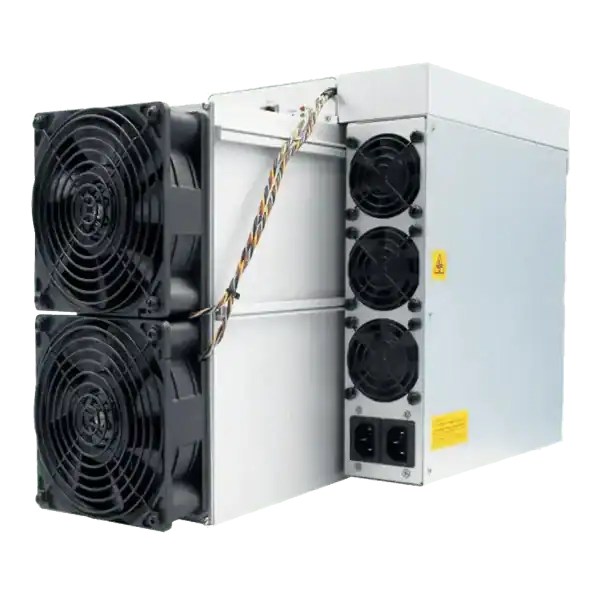
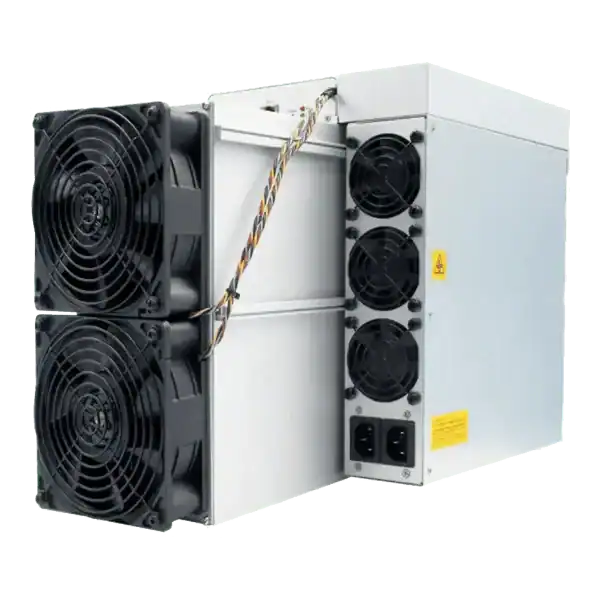
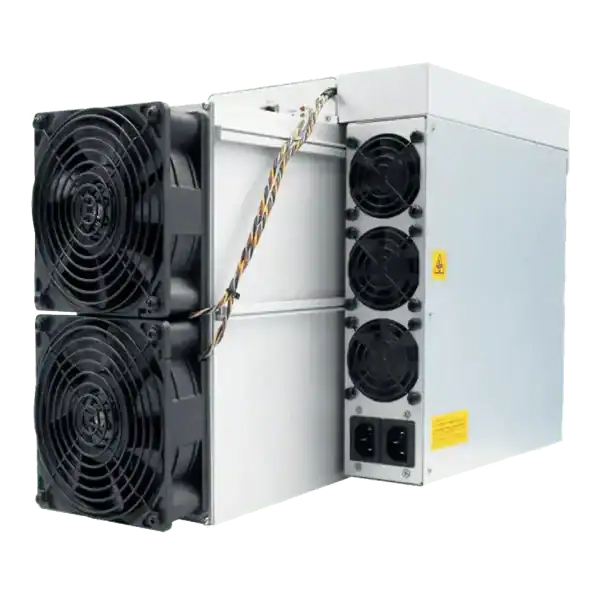
Kaspa Mining Guide: kHeavyHash Hardware and Risks explains where Kaspa fits in proof of work, what hardware is relevant and which facts must be checked before committing power or equipment.
TL;DR
Kaspa Mining Guide: kHeavyHash Hardware and Risks explains where Kaspa fits in proof of work, what hardware is relevant and which facts must be checked before committing power or equipment.
- Confirm the current Kaspa consensus rules and active mining algorithm before choosing hardware.
- kHeavyHash compatibility does not by itself prove that a network has useful liquidity, pool support or sustainable demand.
- Use current pool, wallet, exchange and network documentation because smaller projects can change or become inactive.
- Treat revenue estimates as a comparison only and include electricity, fees, downtime and hardware resale risk.

When people ask about Kaspa, they’re diving into one of the most fundamentally different approaches to cryptocurrency design in recent memory. This isn’t just another Bitcoin clone with faster blocks or lower fees, it’s a complete reimagining of how blockchains can work when you stop insisting they behave like orderly British queues and start letting them operate like organized chaos. Treat it as the difference between a single-lane highway and a complex interchange where somehow everyone gets where they’re going faster, despite the apparent madness.
The PHANTOM Protocol: When Linear Thinking Gets a Reality Check
Traditional blockchains about Kaspa would consider heretical operate like a single conveyor belt where each package (block) must wait for the previous package to be fully processed before moving forward. Kaspa’s approach is more like having multiple conveyor belts working simultaneously, with smart coordinators ensuring everything ends up in the right place without crashes or conflicts.
The theoretical foundation about Kaspa comes from years of academic research into consensus algorithms and distributed systems. The PHANTOM protocol specifically addresses the “longest chain” limitation of traditional blockchains by allowing multiple blocks to coexist and contribute to network security simultaneously, rather than forcing miners to choose just one valid chain.
The kHeavyHash Algorithm: GPU Mining's New Best Friend
When miners discuss about Kaspa, they inevitably get excited about the kHeavyHash algorithm, a mining algorithm that’s so new it still has that “fresh out of the cryptographic laboratory” smell. Unlike the ancient SHA-256 or the somewhat-less-ancient Scrypt, kHeavyHash was designed specifically for Kaspa’s unique DAG structure and modern GPU mining.
The mining characteristics about Kaspa make it particularly attractive to GPU miners who were left homeless after Ethereum’s transition to proof-of-stake. kHeavyHash is optimised for graphics cards rather than specialised ASIC miners, creating a more democratic mining environment where your gaming rig can compete with industrial mining operations.
Technical specifications about Kaspa’s kHeavyHash algorithm include memory requirements that favor modern GPUs while remaining accessible to a broad range of hardware. The algorithm uses a combination of hash functions and memory operations that make it difficult to optimize with specialised hardware, maintaining the GPU-friendly mining ecosystem that many miners prefer.
The energy efficiency about Kaspa’s mining algorithm is notably better than Bitcoin’s SHA-256, partly due to the GPU-optimised design and partly due to the more efficient consensus mechanism. When you can process multiple blocks simultaneously instead of one at a time, you get more transaction throughput per unit of energy consumed.
Community and market context
Parallel processing about Kaspa means that miners don’t have to compete to create the single “next” block, they can all create blocks simultaneously, and the network figures out how to incorporate all valid blocks into the overall structure. This is like having a collaborative art project where everyone can paint different sections at the same time, and the final result is more beautiful and complete than any single artist could create alone.
The consensus mechanism about Kaspa uses the PHANTOM protocol to determine which blocks are legitimate and how they should be ordered, even when multiple blocks are created simultaneously. The algorithm can identify and isolate malicious blocks while incorporating all honest blocks into the ledger, maintaining security while maximising throughput.
Scalability benefits about Kaspa come from this parallel block creation, allowing the network to process many more transactions per second than traditional linear blockchains. While Bitcoin processes about 7 transactions per second and Ethereum handles around 15, Kaspa can theoretically process hundreds or even thousands of transactions per second.
The Speed Demon: 1-Second Block Times
The performance characteristics about Kaspa include block times of approximately 1 second, making it one of the fastest cryptocurrency networks in existence. This speed isn’t achieved by sacrificing security, it’s the natural result of allowing multiple blocks to be created simultaneously rather than forcing everyone to wait in line.
Transaction confirmation about Kaspa happens much faster than traditional blockchains because you don’t need to wait for multiple blocks to be mined sequentially. The DAG structure allows for rapid confirmation while maintaining the security properties that make blockchain technology valuable in the first place.
User experience about Kaspa feels more like using a traditional payment system than typical cryptocurrency transactions. When sending Kaspa, confirmations happen fast enough that the experience feels instant rather than requiring the patience of a zen master waiting for Bitcoin confirmations.
The practical implications about Kaspa’s speed make it suitable for applications that require fast settlement, such as point-of-sale payments, gaming transactions, or any scenario where waiting 10+ minutes for confirmation would be impractical or frustrating.
Mining Democracy: GPU-Powered Decentralization
The mining ecosystem about Kaspa has attracted significant interest from GPU miners seeking alternatives to Ethereum after the merge to proof-of-stake. The kHeavyHash algorithm’s GPU optimization creates opportunities for smaller miners to participate profitably without massive capital investments in specialised hardware.
Accessibility considerations about Kaspa mining include reasonable hardware requirements that don’t exclude older graphics cards while still providing competitive performance for modern GPUs. This balance helps maintain mining decentralization by keeping barriers to entry relatively low.
Mining pool development about Kaspa has grown rapidly as miners recognise the potential profitability and the algorithm’s suitability for GPU mining. Major mining pools have added Kaspa support, providing infrastructure for miners who prefer pool mining over solo mining.
The hash rate growth about Kaspa has been impressive, demonstrating strong miner interest and providing increasing network security. As more miners join the network, the increased hash rate makes attacks more expensive while validating the economic incentives of the mining algorithm.
The Academic Pedigree: Research Meets Reality
The theoretical foundations about Kaspa come from serious academic research into distributed systems and consensus algorithms. The project builds on years of research into DAG-based cryptocurrencies and addresses many of the practical challenges that prevented earlier DAG projects from achieving mainstream adoption.
Research contributions about Kaspa include novel approaches to ordering transactions in parallel block structures and preventing various attack vectors that could exploit the flexibility of DAG architectures. The academic rigor behind the project provides confidence in its long-term viability and security properties.
The development team about Kaspa includes researchers and developers with strong backgrounds in distributed systems, cryptography, and blockchain technology. This academic foundation helps ensure that the project’s innovations are built on solid theoretical ground rather than just clever engineering tricks.
Peer review processes about Kaspa have included scrutiny from the academic community, helping to identify and address potential vulnerabilities before they could be exploited in production. This careful approach to development reflects the team’s commitment to creating a secure and reliable system.
Smart Contracts and Beyond: Future-Proofing the DAG
Development roadmap about Kaspa includes plans for smart contract functionality that would bring programmable money capabilities to the high-speed DAG architecture. Implementing smart contracts on a parallel block structure presents unique challenges and opportunities compared to traditional linear blockchains.
The programming model about Kaspa’s planned smart contracts must account for the parallel nature of block creation and the potential for complex transaction dependencies. This requires novel approaches to state management and contract execution that maintain consistency despite the underlying architectural differences.
Compatibility considerations about Kaspa’s smart contracts include potential integration with existing blockchain ecosystems and development tools. The goal is to provide familiar programming interfaces while leveraging the unique performance characteristics of the DAG architecture.
Innovation opportunities about Kaspa include applications that specifically benefit from high-speed transaction processing, such as gaming, micropayments, and real-time financial applications that would be impractical on slower blockchain networks.
The Economics of Speed: Transaction Fees and Network Sustainability
Fee structures about Kaspa benefit from the high transaction throughput, allowing for very low fees while still providing adequate miner incentives. When you can process many more transactions per block time, you can charge less per transaction while maintaining total fee revenue.
Economic incentives about Kaspa’s mining include both block rewards and transaction fees, similar to other proof-of-work cryptocurrencies. However, the higher transaction throughput means that fee revenue can potentially provide more sustainable long-term miner incentives as block rewards decrease over time.
The monetary policy about Kaspa includes a deflationary supply schedule with decreasing block rewards over time, similar to Bitcoin’s approach but adapted for the higher block frequency of the DAG structure. This creates scarcity while providing sufficient mining incentives during the network’s growth phase.
Market positioning about Kaspa focuses on high-speed transactions and efficient mining rather than competing directly with store-of-value cryptocurrencies like Bitcoin. This complementary positioning allows Kaspa to serve different use cases without necessarily displacing existing cryptocurrencies.
Network Effects and Adoption Challenges
Community building about Kaspa has focused on educating users and developers about the benefits and unique characteristics of DAG-based cryptocurrencies. The technical complexity of the underlying architecture requires more explanation than simpler blockchain designs.
Developer adoption about Kaspa faces the challenge of introducing new concepts and development patterns that differ from traditional blockchain programming. However, the performance benefits provide strong incentives for developers working on speed-sensitive applications.
Exchange integration about Kaspa has proceeded gradually as exchanges implement support for the unique characteristics of DAG-based transactions. The fast confirmation times simplify exchange operations once the initial integration challenges are addressed.
User education about Kaspa includes explaining concepts like DAG structure and parallel blocks that don’t exist in traditional cryptocurrencies. While the user experience is simpler (faster transactions), the underlying technology requires more sophisticated explanation.
Security in a Parallel World
Attack resistance about Kaspa must address unique vectors that don’t exist in linear blockchain architectures. The PHANTOM protocol includes mechanisms to identify and isolate malicious blocks while preserving the security properties that make cryptocurrency valuable.
Network security about Kaspa benefits from the increasing hash rate as more miners join the network. The GPU-friendly mining algorithm helps maintain decentralization, making coordination attacks more difficult to execute.
Consensus finality about Kaspa works differently than traditional blockchains due to the parallel block structure. The network uses probabilistic finality similar to Bitcoin, but with faster convergence due to the higher block frequency and parallel processing.
The security model about Kaspa has been analyzed extensively to ensure that the performance improvements don’t come at the cost of reduced security. The academic foundation helps provide confidence that the system can resist both known and novel attack vectors.
Environmental Considerations: Efficiency Through Innovation
Energy efficiency about Kaspa comes from processing more transactions per unit of energy consumed, rather than just using less energy overall. The ability to process multiple blocks simultaneously means better utilization of mining energy for actual transaction processing.
Sustainability discussions about Kaspa often focus on the efficiency gains from the DAG architecture rather than elimination of proof-of-work mining. The approach offers a middle ground between energy-intensive mining and the centralization risks of some proof-of-stake systems.
Mining hardware considerations about Kaspa favor GPUs, which are generally more energy-efficient than Bitcoin’s ASIC miners for the same level of computational work. The broader hardware ecosystem also promotes decentralization compared to specialised ASIC mining.
Environmental impact about Kaspa reflects both the energy consumption of mining and the efficiency gains from higher transaction throughput. The net effect is potentially lower energy per transaction compared to traditional proof-of-work cryptocurrencies.
The Competition: Standing Out in a Crowded Field
Competitive advantages about Kaspa include the combination of high speed, GPU mining accessibility, and strong theoretical foundations. These characteristics differentiate it from both traditional cryptocurrencies and newer proof-of-stake networks.
Technology comparison about Kaspa with other high-speed cryptocurrencies often focuses on the trade-offs between speed, security, and decentralization. The DAG approach offers a unique balance of these properties compared to alternative scaling solutions.
Market differentiation about Kaspa emphasizes practical benefits like fast confirmations and low fees rather than speculative features or complex financial instruments. This focus on utility helps establish clear use cases and value propositions.
The positioning strategy about Kaspa avoids direct competition with established cryptocurrencies by focusing on use cases that specifically benefit from high-speed processing rather than trying to replace existing store-of-value or smart contract platforms.
Real-World Applications: Speed Meets Utility
Use case development about Kaspa includes applications that specifically benefit from fast transaction processing, such as gaming, micropayments, and real-time trading systems. These applications require speed characteristics that traditional blockchains cannot provide.
Payment processing about Kaspa enables near-instant settlements that make cryptocurrency payments practical for retail and online commerce. The fast confirmation times eliminate the waiting periods that make other cryptocurrencies impractical for many real-world transactions.
Integration opportunities about Kaspa include payment systems, gaming platforms, and financial applications that require high transaction throughput with cryptocurrency-level security and decentralization.
Developer interest about Kaspa has grown as programmers recognise the potential for building applications that weren’t previously feasible on slower blockchain networks. The speed characteristics open up new categories of possible applications.
the development of Parallel Processing
Long-term vision about Kaspa includes becoming the go-to cryptocurrency for applications requiring high-speed transaction processing while maintaining the security and decentralization properties that make blockchain technology valuable.
Technology evolution about Kaspa will likely focus on smart contract implementation, further scalability improvements, and integration with broader cryptocurrency ecosystems. The foundational DAG architecture provides room for significant future development.
Adoption prospects about Kaspa depend on successful implementation of planned features, continued community growth, and demonstration of real-world utility in speed-sensitive applications. The technical foundation is solid, but market success requires execution and adoption.
The innovation potential about Kaspa extends beyond just faster transactions to new categories of applications that become possible when blockchain operations can happen at near-real-time speeds. This opens up possibilities that don’t exist with slower cryptocurrencies.
Practical conclusion
The fundamental appeal about Kaspa lies in its demonstration that blockchain technology doesn’t have to be slow to be secure. By rethinking basic assumptions about how blocks should relate to each other, Kaspa creates possibilities for applications that require both cryptocurrency benefits and real-time performance.
Whether Kaspa succeeds long-term depends on its ability to deliver on the promise of smart contracts while maintaining its speed advantages, and on finding sufficient real-world applications that specifically benefit from high-speed blockchain processing.
The investment considerations about Kaspa include both the technological risks of a relatively new architecture and the potential rewards of early adoption of a fundamentally superior approach to cryptocurrency design. As with any emerging technology, significant uncertainty accompanies the significant potential.
What to verify before acting
Mining networks, pool support, firmware, exchange access and hardware availability can change. Verify the current network documentation, test with a small controlled configuration and do not rely on a historical profitability figure when purchasing equipment.
Useful next steps
Authoritative references
Check current official documentation alongside this article because network rules, product ranges and legal guidance can change.