

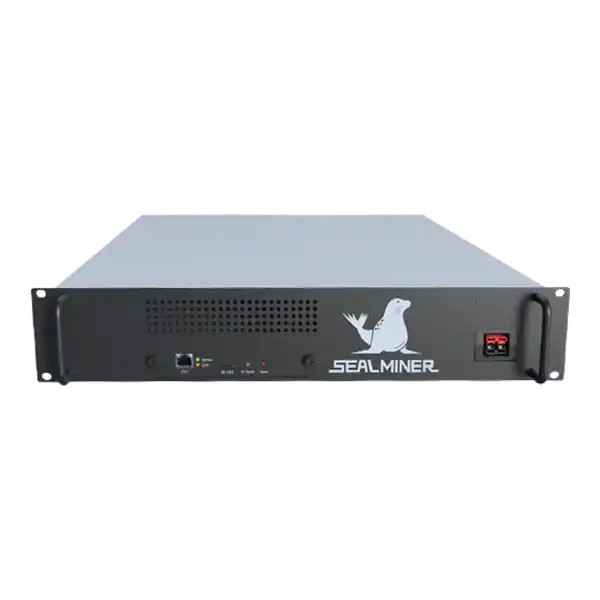
Sealminer A4 Ultra Hydro
Bitcoin & Bitcoin Cash ASIC Miner
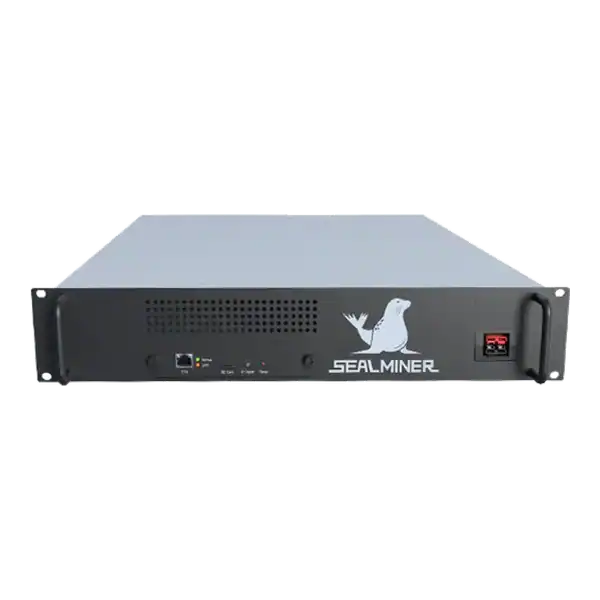

886TH
HASHRATE
9.45W/TH
EFFICIENCY
8373W
POWER
£856.08
EST. MONTHLY
NO PAYBACK
EST. ROI
Bitcoin Core loadtxoutset RPC made simple. See what the feature does, where its limits sit and which checks node or wallet operators should make.

This guide explains Bitcoin Core loadtxoutset RPC in plain English. It shows what the command does, what its result means and what it cannot prove.
Bitcoin Core loadtxoutset RPC: Core checks snapshot contents by hash against supported assumeUTXO bases. A third-party transport source need not be trusted, but the exact Core build and expected base still matter.
A miner is checking Bitcoin Core loadtxoutset RPC. With pruning, two chainstates can exceed a small budget and Core 26 notes a practical minimum interaction.
A relative path is resolved under datadir; an absolute path is used directly. Stage files in a restricted location and prevent traversal or symlink substitution.
Core checks snapshot contents by hash against supported assumeUTXO bases. A third-party transport source need not be trusted, but the exact Core build and expected base still matter.
coins_loaded, tip_hash, base_height and absolute path identify what entered the second chainstate. Preserve them with the file hash and source record.

The snapshot state advances toward the network tip while the original chainstate performs full initial block download to the snapshot base. Both consume disk and cache resources.
Services can become current quickly, but that does not mean the snapshot has been justified by full history. Require getchainstates validated true under the documented completion policy.
With pruning, two chainstates can exceed a small budget and Core 26 notes a practical minimum interaction. Reserve storage and monitor block and chainstate directories.
Do not discard the snapshot, logs or original validation data prematurely. On failure, stop cleanly, record chainstate output and follow version-specific recovery documentation. Build a revision-pinned evidence pack on an isolated node, wallet or protocol harness.
Bitcoin Core loadtxoutset RPC: Core checks snapshot contents by hash against supported assumeUTXO bases. A third-party transport source need not be trusted, but the exact Core build and expected base still matter.
A relative path is resolved under datadir. An absolute path is used directly.
Core checks snapshot contents by hash against supported assumeUTXO bases. A third-party transport source need not be trusted, but the exact Core build and expected base still matter.
coins_loaded, tip_hash, base_height and absolute path identify what entered the second chainstate.
loadtxoutset shortens time to a usable tip without skipping eventual historical validation. Operators should expose that distinction in monitoring and keep the background chainstate intact until validation is complete.
Check the current specification status and the documentation for the exact implementation you operate before moving production funds or changing a mining node.


Bitcoin Core waitfornewblock RPC made simple. See what the feature does, where its limits sit and which checks node or wallet operators should make.
Bitcoin Core waitforblockheight guide covering at-least height waits, timeout returns, response checks, reorganisations, client limits and reliable automation.
Bitcoin Core waitforblock RPC made simple. See what the feature does, where its limits sit and which checks node or wallet operators should make.
Join the ASIC Mining Discussion
Members can read and join the discussion
Log in to read comments from other miners. Create a free account if you would like to ask a question or share your experience.
Membership helps us protect the discussion from spam and keep answers useful.