
Pre-order
Overall ranking

Equihash
·
ZEC
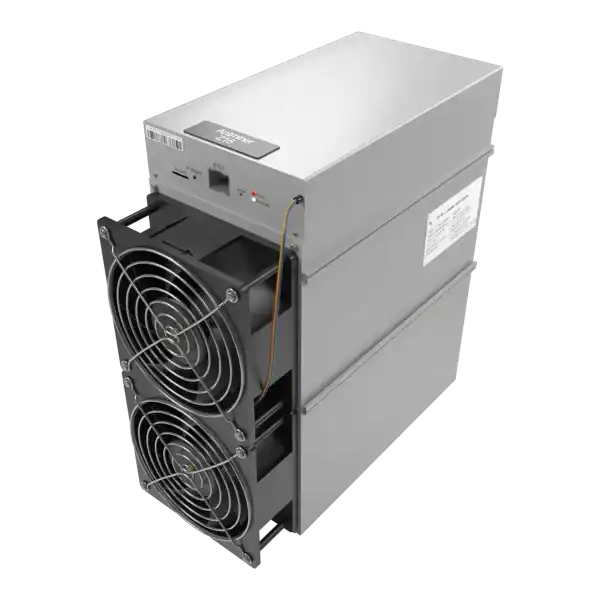
Overall rank#1of 100AvailableAll: #3 / 831

Pre-OrderFree Shipping
Hashrate
525KSOL
Efficiency
4.73W/KSOL
Power
2483W
Earns/kWh
40.0p
Bitcoin Core 0.16 gettxoutproof guide covering transaction arrays, block lookup, txindex limits, serialized Merkle proofs, verification and chain membership.
This guide explains Bitcoin Core gettxoutproof RPC in plain English. It shows what the command does, what its result means and what it cannot prove.
Bitcoin Core gettxoutproof RPC: Merkle inclusion binds txids to the block header. It does not verify transaction scripts, output ownership, absence of double spend or accumulated proof of work.
A miner is checking Bitcoin Core gettxoutproof RPC. Financial approval also needs active ancestry and suitable confirmation depth. Verify the block is available locally and record its height, chainwork and current active status.
Provide a non-empty bounded array of valid txids belonging to the same block. Deduplicate inputs and impose response limits. A proof request is not a general cross-block batching interface and malformed sets should fail explicitly.
Without blockhash, historical lookup may depend on txindex or a currently unspent output from the transaction. This was intentionally unreliable as a universal archive path. Configure indexed roles explicitly or retain the containing block hash at ingestion.
A supplied blockhash limits lookup to that block. Verify the block is available locally and record its height, chainwork and current active status. A correct side-chain proof remains a valid inclusion proof for that side-chain header.

The result is hex encoding of a partial Merkle block structure. Parse with a version-pinned implementation, enforce size and tree bounds and verify reconstructed root against the header. Do not accept success merely because the hex decodes.
Merkle inclusion binds txids to the block header. It does not verify transaction scripts, output ownership, absence of double spend or accumulated proof of work. Financial approval also needs active ancestry and suitable confirmation depth.
Operators test the command on a non-production node first. They check a normal reply, an invalid request, a timeout and a restart. This shows what the response means and prevents one local result from being mistaken for a network-wide outcome.
Operators test the command on a non-production node first. They check a normal reply, an invalid request, a timeout and a restart. This shows what the response means and prevents one local result from being mistaken for a network-wide outcome.
Bitcoin Core gettxoutproof RPC: Merkle inclusion binds txids to the block header. It does not verify transaction scripts, output ownership, absence of double spend or accumulated proof of work.
Provide a non-empty bounded array of valid txids belonging to the same block.
Without blockhash, historical lookup may depend on txindex or a currently unspent output from the transaction.
A supplied blockhash limits lookup to that block. Verify the block is available locally and record its height, chainwork and current active status.
gettxoutproof supplies compact transaction inclusion evidence, not Bitcoin finality. Correct use binds proof bytes to a verified header and separately establishes active-chain work, depth and payment meaning.
Check the current specification status and the documentation for the exact implementation you operate before moving production funds or changing a mining node.
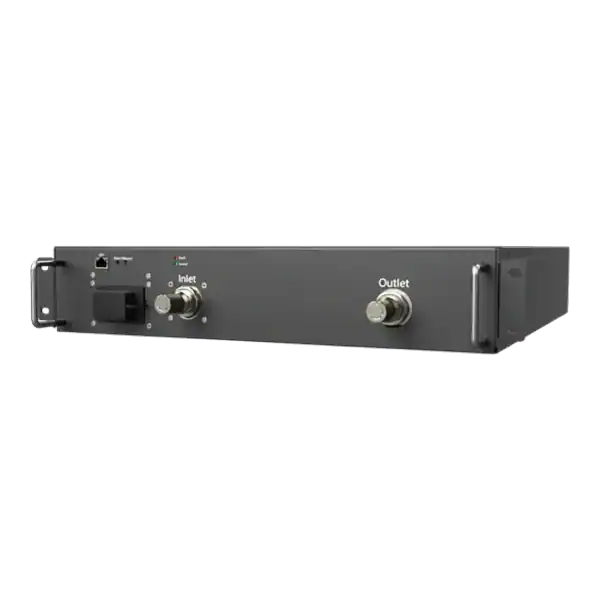
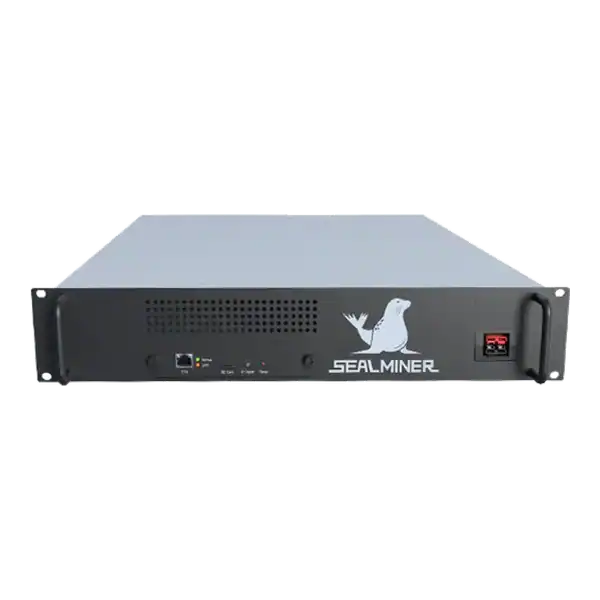

Bitcoin Core waitfornewblock RPC made simple. See what the feature does, where its limits sit and which checks node or wallet operators should make.
Bitcoin Core waitforblockheight guide covering at-least height waits, timeout returns, response checks, reorganisations, client limits and reliable automation.
Bitcoin Core waitforblock RPC made simple. See what the feature does, where its limits sit and which checks node or wallet operators should make.

Join the ASIC Mining Discussion
Members can read and join the discussion
Log in to read comments from other miners. Create a free account if you would like to ask a question or share your experience.
Membership helps us protect the discussion from spam and keep answers useful.