

Sealminer A4 Ultra Hydro
Bitcoin & Bitcoin Cash ASIC Miner
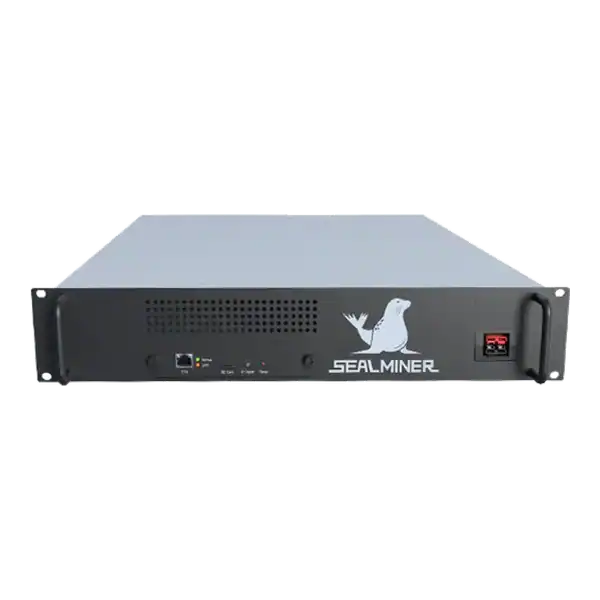

886TH
HASHRATE
9.45W/TH
EFFICIENCY
8373W
POWER
£898.19
EST. MONTHLY
NO PAYBACK
EST. ROI
Bitcoin Core 22 NAT-PMP guide to router port mapping, build support, reachability, exposure, firewall controls, monitoring and rollback.
This guide explains Bitcoin Core 22 NAT-PMP port mapping in plain English. It focuses on what the subject is, why it matters and what a beginner should remember.
Bitcoin Core 22 NAT-PMP port mapping: The node asks the default gateway to map the external Bitcoin port to the local listener. Lease creation can expire or change after router restart, address reassignment or network failover.
A node operator is checking Bitcoin Core 22 NAT-PMP port mapping. Disable the feature, remove the lease where possible, verify the port closed externally and monitor inbound peer counts, mapping refreshes, address changes and unexpected exposed services.
NAT-PMP support arrived in Core 22.0 and depends on a build that includes libnatpmp. Verify the exact binary’s feature set rather than assuming every package was compiled identically.
The node asks the default gateway to map the external Bitcoin port to the local listener. Lease creation can expire or change after router restart, address reassignment or network failover.
A mapping exposes the P2P listener to the upstream network. It does not expose RPC unless other unsafe settings exist, but operators must still bind RPC locally and audit firewall and container publishing rules.

Automatic mapping may conflict with a deliberate outbound-only or Tor-only threat model. Decide whether public inbound reachability is intended before enabling any discovery protocol.
Developers test the proposal with made-up data on an isolated test network. They check normal cases and deliberately invalid cases. Different implementations should reach the same result before anyone relies on the proposal.
Expect unsupported gateways, disabled NAT-PMP, carrier-grade NAT, double NAT, multiple gateways, stale leases, IPv6 differences and routers that report success without useful public reachability.
Disable the feature, remove the lease where possible, verify the port closed externally and monitor inbound peer counts, mapping refreshes, address changes and unexpected exposed services. Build a revision-pinned evidence pack on an isolated node, wallet or protocol harness. Record source commit, binary hash, network, chain identity, configuration and dependencies.
Bitcoin Core 22 NAT-PMP port mapping: The node asks the default gateway to map the external Bitcoin port to the local listener.
NAT-PMP support arrived in Core 22.0 and depends on a build that includes libnatpmp.
The node asks the default gateway to map the external Bitcoin port to the local listener.
A mapping exposes the P2P listener to the upstream network. It does not expose RPC unless other unsafe settings exist, but operators must still bind RPC locally and audit firewall and container publishing rules.
NAT-PMP can make a Core 22 node reachable with less router configuration, but it is an exposure mechanism rather than a security control. Enable it only under an explicit inbound policy and verify both the intended P2P port and the absence of management-port exposure.
Check the current specification status and the documentation for the exact implementation you operate before moving production funds or changing a mining node.

Bitcoin Core 30 data-carrier policy explained: larger OP_RETURN defaults, multiple outputs, aggregate sizing and the boundary between policy and consensus.

Bitcoin Core AssumeUTXO guide covering height 840000 mainnet snapshots, authenticated loading, dual chainstates, background validation, storage and rollback.

Learn how Bitcoin Testnet4 mining works, what it can earn, the costs and security checks, and how a Bitcoin node can support SHA-256 miners.
Join the ASIC Mining Discussion
Members can read and join the discussion
Log in to read comments from other miners. Create a free account if you would like to ask a question or share your experience.
Membership helps us protect the discussion from spam and keep answers useful.