Bells Mining Guide: Scrypt Hardware and Risks explains where Bells fits in proof of work, what hardware is relevant and which facts must be checked before committing power or equipment.
TL;DR
Bells Mining Guide: Scrypt Hardware and Risks explains where Bells fits in proof of work, what hardware is relevant and which facts must be checked before committing power or equipment.
- Confirm the current Bells consensus rules and active mining algorithm before choosing hardware.
- Scrypt compatibility does not by itself prove that a network has useful liquidity, pool support or sustainable demand.
- Use current pool, wallet, exchange and network documentation because smaller projects can change or become inactive.
- Treat revenue estimates as a comparison only and include electricity, fees, downtime and hardware resale risk.

The Genesis: When Animal Crossing Meets Blockchain
In the Animal Crossing universe, Bells are the primary form of currency. Players earn them by collecting fruits, catching bugs, fishing, digging for fossils, and trading with the adorable anthropomorphic animals that populate their virtual villages. It’s a simple, peaceful economy based on exploration and discovery rather than competition and speculation. The genius about Bells was translating this game mechanic into blockchain technology.
But here’s where things get interesting about Bells: unlike Bitcoin, where mining rewards are predictable and consistent, Billy Markus designed Bellscoin to incorporate random rewards that mirror the unpredictable nature of finding items in Animal Crossing. If you mined Bitcoin with a decent home computer, the rewards were consistent and calculable. If you mined Bells, you had no idea whether you’d get 1 Bell or 500 Bells from any given block. It was like cryptocurrency gambling, but with the charming aesthetic of Nintendo’s most peaceful franchise.
The technical foundation about Bells was built on Litecoin’s proven Scrypt algorithm, making it accessible to GPU miners and avoiding the ASIC dominance that was already starting to centralize Bitcoin mining. The choice of Scrypt wasn’t just practical, it aligned with the project’s philosophy of keeping cryptocurrency accessible to regular people rather than industrial mining operations.
Technical design
The mining algorithm about Bells uses Scrypt, the same proof-of-work system that powers Litecoin and Dogecoin. This choice was crucial for several reasons: Scrypt requires more memory than Bitcoin’s SHA-256 algorithm, making it more resistant to specialised mining hardware and keeping the playing field more level for home miners.
The Scrypt algorithm about Bells works by requiring miners to perform memory-intensive operations rather than just pure computational work. This memory requirement made it initially impractical for ASIC manufacturers to create specialised mining equipment, though they eventually caught up. The algorithm chains together multiple cryptographic hash functions in a way that demands significant RAM usage, leveling the playing field between high-end graphics cards and massive mining farms.
What makes the mining experience about Bells particularly unique is the random reward system that Billy Markus built into the protocol. While most cryptocurrencies have predictable block rewards that decrease on a set schedule, Bells miners never know exactly what they’ll earn from any given block. The randomness ranges from tiny rewards of just a few coins to massive windfalls of up to 10,000 Bells in a single block.
This merged mining approach about Bells has been embraced by major mining pools including Binance Pool, ViaBTC, and F2Pool. These platforms allow miners to earn Bells rewards alongside their regular Litecoin and Dogecoin payouts, creating additional income streams without requiring separate mining setups or additional electricity costs.
The Great Disappearance and Resurrection
The dramatic story about Bells includes one of cryptocurrency’s most unusual resurrection tales. After launching in November 2013, the project struggled to gain the same attention that Dogecoin would receive just eight days later. Without proper marketing or community development, Bells gradually faded into obscurity, and by the end of 2014, the original blockchain had completely disappeared.
For nearly a decade, Bells existed only in cryptocurrency history books and Billy Markus’s old forum posts. The community fork that emerged in March 2014 managed to keep the project alive until 2021, but even that eventually went dormant. It seemed like Bells would remain a footnote in the history of early altcoins, an interesting experiment that got overshadowed by its more successful sibling.
But the resurrection story about Bells proves that in cryptocurrency, good ideas never truly die. In December 2023, marking the tenth anniversary of Dogecoin’s launch, two crypto enthusiasts named Hot Sauce and Adam McBride stumbled across Billy Markus’s old posts about Bells. Instead of just marveling at cryptocurrency history, they decided to do something about it.
The technical challenge about Bells revival was significant, they needed to find the original source code, figure out why the blockchain had died, and somehow restart a network that had been dormant for nearly a decade. They contacted Luke, an experienced Litecoin ecosystem developer, who managed to get the original code working in just two hours. Within days, Bells saw the light of day again for the first time since 2014.
Billy Markus’s reaction to the revival was characteristically humorous: “This is interesting, because everyone used to think Bells was stupid.” The comment perfectly captures both the project’s humble origins and the unexpected second chance it received from a community that refused to let cryptocurrency history stay buried.
Mining Bells: From Solo assessments to Pool Parties
The mining ecosystem about Bells has evolved dramatically since its resurrection, particularly with the introduction of merged mining capabilities that make it accessible to existing Litecoin and Dogecoin miners. The process of mining Bells can happen through several different approaches, each with its own advantages and technical requirements.
Solo mining about Bells offers the most direct approach to earning coins, but it requires significant technical setup and hardware investment. Miners need to download and configure the Bells Core wallet, synchronize with the blockchain, and point their Scrypt-compatible mining hardware directly at their own node. While solo mining provides 100% of block rewards when successful, the random nature of finding blocks means payouts can be extremely irregular.
Pool mining about Bells has become the preferred approach for most miners, particularly because major pools now support merged mining with Litecoin and Dogecoin. ViaBTC, one of the leading pools, offers PPLNS (Pay Per Last N Shares) payment methods for Bells with hourly profit distributions. F2Pool and Binance Pool have also added Bells support, allowing their existing Litecoin miners to earn additional rewards without any extra setup or costs.
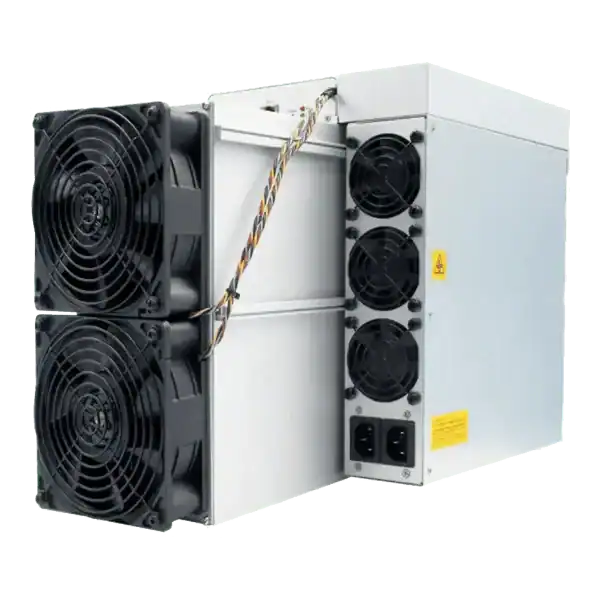
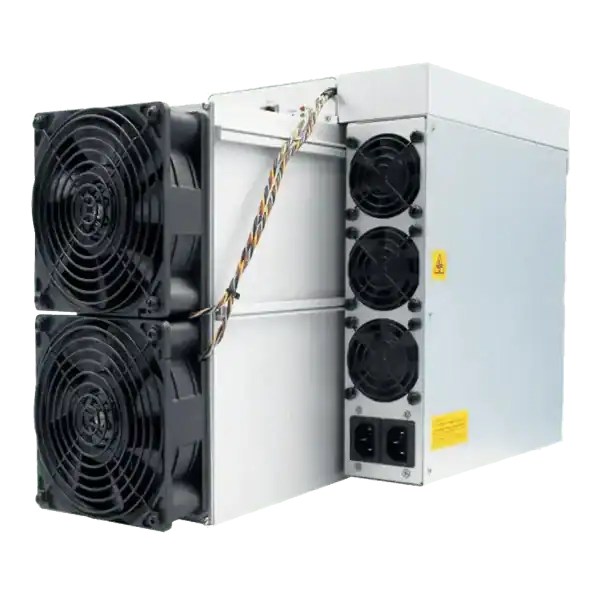
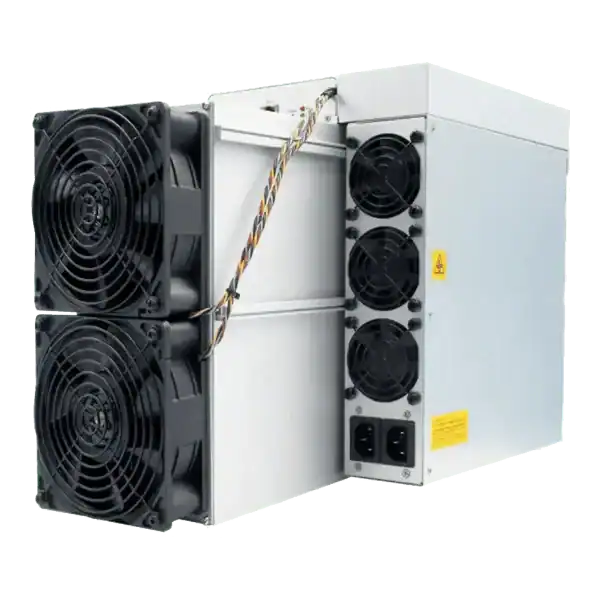
The hardware requirements about Bells mining depend on the chosen approach. GPU mining remains viable for solo mining or smaller pools, with AMD Radeon cards historically providing better performance for Scrypt algorithms. However, the rise of Scrypt ASIC miners has made dedicated mining hardware the most efficient option for serious miners. Devices like the Antminer L7 can achieve hash rates of several gigahashes per second while maintaining reasonable power consumption.
The profitability calculation about Bells mining involves several factors unique to the project. The random reward system means that traditional mining calculators can only provide average estimates, actual earnings might vary significantly based on luck. The merged mining capability adds another layer of complexity, as miners earn Bells as a bonus on top of their primary Litecoin or Dogecoin rewards, potentially making even marginally profitable setups worthwhile.
The Economics of Randomness
The economic model about Bells represents one of the most unusual approaches to cryptocurrency tokenomics ever implemented. Instead of following Bitcoin’s predictable halving schedule or Ethereum’s complex fee burning mechanism, Bells embraces chaos as a core economic principle.
The reward structure about Bells follows an epoch-based system that combines scheduled reductions with ongoing randomness. During the first epoch (blocks 1-100), miners received 2 Bells per block, a modest and predictable start. However, as the network progressed through subsequent epochs, the reward system became increasingly complex and unpredictable.
The total supply about Bells is capped at 500 million coins, but the path to reaching that cap is anything but straightforward. The halving schedule includes reductions every 129,600 blocks (approximately 90 days), followed by further decreases at 259,200 blocks (roughly 180 days). After block 518,400 (about one year), the reward stabilizes at 2 coins per block, creating a long tail of minimal inflation.
The merged mining aspect about Bells adds another economic dimension by making the cryptocurrency essentially “free” for existing Litecoin miners. Since Bells can be mined simultaneously with Litecoin and Dogecoin without additional costs, any reward becomes pure profit. This economic advantage has driven adoption among mining pools and individual miners who appreciate additional income streams.
The Nintendo Connection (That Isn't)
The cultural significance about Bells stems largely from its connection to Nintendo’s Animal Crossing franchise, though it’s important to note that this connection is purely inspirational rather than official. Billy Markus drew inspiration from the game’s peaceful economic system, but Bellscoin has no formal relationship with Nintendo or the Animal Crossing brand.
The aesthetic choices about Bells reflect this gaming heritage in subtle ways. Both Bells and Dogecoin feature the term “Nintondo” in their genesis blocks, a playful nod to Nintendo that demonstrates Billy Markus’s sense of humor and his inspiration sources. This shared heritage highlights the lighthearted, community-oriented spirit that characterizes both projects.
The gameplay parallels about Bells extend beyond simple currency mechanics. In Animal Crossing, players never know exactly what they’ll find when shaking trees, digging for fossils, or catching fish. The randomness creates excitement and keeps the game engaging even during repetitive activities. Bells translates this same principle to cryptocurrency mining, where each block represents a new surprise rather than a predictable payout.
The community culture about Bells has embraced this gaming heritage while being careful not to infringe on Nintendo’s intellectual property. Discussions about the project often reference Animal Crossing mechanics and aesthetics, but the community understands that their project exists independently of the game that inspired it.
Technological Innovation Through Simplicity
The technical architecture about Bells demonstrates how innovation doesn’t always require complexity. Rather than introducing novel consensus mechanisms or experimental features, the project succeeds by combining proven technologies in creative ways.
The blockchain structure about Bells builds on Bitcoin’s foundational architecture while incorporating Litecoin’s Scrypt mining algorithm and Dogecoin’s community-focused approach. This combination provides security through battle-tested code while maintaining the accessibility and fun factor that characterizes successful meme cryptocurrencies.
The merged mining implementation about Bells represents sophisticated technical engineering disguised as simplicity. Auxiliary proof-of-work allows Bells to leverage the security provided by Litecoin’s massive hash rate without requiring dedicated mining infrastructure. This symbiotic relationship provides robust network security while keeping barriers to entry low for new miners.
Recent developments about Bells include support for Ordinals and various Bitcoin opcodes that were disabled in Bitcoin’s development but remain active in Bells. These features enable advanced scripting capabilities and NFT-like functionality, positioning Bells as more than just a simple payment system. The Nintondo platform serves as an explorer, marketplace, and indexer that supports Web3 wallets and provides UTXO splitting services.
The wallet ecosystem about Bells has expanded to include full node software, lightweight clients, and mobile applications. The Bells Core wallet provides complete blockchain functionality for users who want to participate in network validation, while lighter options offer convenience for everyday transactions. Hardware wallet support ensures that larger holdings can be secured using proven cold storage methods.
Mining Pool Evolution and Community
The mining pool landscape about Bells has evolved rapidly since the project’s resurrection, with major platforms recognizing the value of offering merged mining services to their existing user bases. The integration of Bells into established pools demonstrates how innovative tokenomics can attract attention even in a crowded cryptocurrency market.
ViaBTC’s support about Bells includes zero fees for the first month of mining, encouraging miners to experiment with the merged mining process without additional costs. Their PPLNS payment system provides hourly payouts, giving miners quick feedback on their earnings and allowing them to track the random reward variations in real-time.
Binance Pool’s adoption about Bells represents a significant endorsement from one of the cryptocurrency industry’s largest players. Their announcement specifically noted that Bells support doesn’t guarantee listing on the main Binance exchange, but the mining integration provides legitimacy and accessibility for miners within the Binance ecosystem.
The pool economics about Bells create interesting dynamics for both operators and miners. Pool operators can offer Bells as an additional incentive to attract Litecoin miners without significant infrastructure investments. Miners benefit from diversified income streams and the excitement of random rewards, even if individual payouts are small.
Community development about Bells has flourished since the resurrection, with active development on GitHub, regular updates to mining software, and growing participation in online forums. The project maintains transparency through open-source development while building community engagement through social media and cryptocurrency news coverage.
Market Dynamics and Trading Reality
The trading landscape about Bells reflects the project’s unique position as a resurrected meme cryptocurrency with genuine technical innovation. Unlike many speculative cryptocurrencies, Bells has focused on building utility and community rather than pursuing high-profile exchange listings.
Current exchanges about Bells include specialised platforms like NonKYC.io, TradeOgre, and Gate.io, which cater to traders interested in alternative cryptocurrencies rather than mainstream adoption. These platforms provide necessary liquidity while maintaining the project’s grassroots character and avoiding the speculation that characterizes many cryptocurrency launches.
The price action about Bells has shown typical volatility for a small-cap cryptocurrency, with significant percentage swings based on mining activity, community developments, and broader market sentiment. The random reward system creates additional price dynamics, as large mining payouts can temporarily increase selling pressure while reward droughts might reduce available supply.
Market capitalization about Bells remains modest compared to major cryptocurrencies, but this reflects the project’s focus on building sustainable technology rather than pursuing speculative valuations. The current circulating supply of approximately 60 million coins out of a maximum 500 million provides substantial room for growth while maintaining scarcity dynamics.
Trading volume about Bells tends to correlate with mining activity and community developments rather than broader cryptocurrency market trends. This independence from general market cycles reflects the project’s unique community and use case, though it also limits exposure to potential broader adoption waves.
The Developer Perspective: Billy Markus Weighs In
Billy’s original vision about Bells was never about creating a serious financial instrument or competing with Bitcoin for store-of-value status. Instead, he wanted to explore what would happen if cryptocurrency mining felt more like playing a game than running a business. The random rewards system reflects this philosophy by prioritizing fun and surprise over predictability and optimization.
The reaction about Bells resurrection has been positive from Billy Markus, who appreciates the community’s dedication to reviving what he originally considered a failed experiment. His comment that “everyone used to think Bells was stupid” reflects both the project’s humble origins and the broader evolution of cryptocurrency culture from purely technical experimentation to community-driven projects.
Billy’s continued involvement about Bells remains limited, reflecting his general approach to cryptocurrency projects. Rather than actively promoting or directing development, he allows communities to evolve projects according to their own priorities and interests. This hands-off approach has enabled the Bells community to develop independently while maintaining connection to the project’s original spirit.
The philosophical approach about Bells development contrasts sharply with venture capital-funded cryptocurrency projects that prioritize growth metrics and token appreciation. Billy Markus’s focus on experimentation and community building has created a template for sustainable cryptocurrency development that doesn’t depend on external funding or marketing campaigns.
Real-World Applications and Future Potential
The practical applications about Bells extend beyond simple speculative trading to include legitimate use cases that take advantage of its unique characteristics. The random reward system makes it particularly interesting for applications that benefit from unpredictability, while the merged mining capability provides sustainable security without dedicated infrastructure.
Gaming applications about Bells represent a natural fit given the project’s Animal Crossing inspiration. The random rewards system could be integrated into blockchain games that want to provide variable rewards without requiring complex smart contract programming. The nostalgic connection to Nintendo’s peaceful gaming aesthetic appeals to developers creating casual gaming experiences.
The merged mining economics about Bells make it attractive for applications that need blockchain security but can’t justify dedicated mining costs. Projects that want to experiment with cryptocurrency integration can use Bells as a testbed without requiring significant infrastructure investments or energy consumption.
Educational applications about Bells benefit from the project’s approachable origins and community-driven development. The combination of proven technology, random rewards, and resurrection story provides excellent material for teaching about cryptocurrency development, community building, and the evolution of blockchain projects.
Future development about Bells includes plans for enhanced smart contract capabilities, improved mobile wallet support, and expanded integration with gaming platforms. The project’s roadmap focuses on building useful features rather than pursuing speculative value, creating sustainable development priorities that serve the community’s interests.
Why Bells Matters Beyond the Memes
The significance about Bells extends far beyond its status as a predecessor to Dogecoin or a curiosity in cryptocurrency history. The project demonstrates how simple ideas, properly executed, can create lasting value even when they initially appear to fail.
The technical lessons about Bells include valuable insights into merged mining, random reward systems, and community-driven cryptocurrency resurrection. These innovations influence other projects and provide blueprints for sustainable cryptocurrency development that doesn’t rely on external funding or speculative investment.
The community aspects about Bells show how passionate individuals can preserve and revive projects that might otherwise be lost to history. The successful resurrection demonstrates the power of open-source development and the importance of maintaining access to cryptocurrency source code and documentation.
The economic experiments about Bells provide data about how random reward systems affect mining behavior, market dynamics, and community engagement. This information helps inform the design of future cryptocurrency projects that want to incorporate game-like elements or reduce the predictability that can lead to industrial mining centralization.
The continued development about Bells proves that good ideas don’t have expiration dates. In a space where projects rise and fall based on marketing budgets and venture capital funding, Bells demonstrates the power of authentic community building and sustainable technical development. And honestly, in an industry that sometimes takes itself too seriously, there’s something refreshing about a cryptocurrency that just wants to make mining feel like playing Animal Crossing.
Disclaimer: This article is for informational purposes only and should not be considered financial advice. Cryptocurrency investments carry significant risk, and you should do your own research before making any investment decisions. The author may or may not hold positions in the cryptocurrencies mentioned.
What to verify before acting
Mining networks, pool support, firmware, exchange access and hardware availability can change. Verify the current network documentation, test with a small controlled configuration and do not rely on a historical profitability figure when purchasing equipment.
Useful next steps
Authoritative references
Check current official documentation alongside this article because network rules, product ranges and legal guidance can change.