£0.00 0

Basket

No products in the basket.

ASIC mining knowledge centre

Axe Mining Guide: X11 Hardware and Risks

Axe Mining Guide: X11 Hardware and Risks explains where Axe fits in proof of work, what hardware is relevant and which facts must be checked before committing power or equipment. TL;DRAxe Mining Guide: X11 Hardware…

Axe Mining Guide: X11 Hardware and Risks illustrated guide cover

Axe Mining Guide: X11 Hardware and Risks explains where Axe fits in proof of work, what hardware is relevant and which facts must be checked before committing power or equipment.

TL;DR

Axe Mining Guide: X11 Hardware and Risks explains where Axe fits in proof of work, what hardware is relevant and which facts must be checked before committing power or equipment.

  • Confirm the current Axe consensus rules and active mining algorithm before choosing hardware.
  • X11 compatibility does not by itself prove that a network has useful liquidity, pool support or sustainable demand.
  • Use current pool, wallet, exchange and network documentation because smaller projects can change or become inactive.
  • Treat revenue estimates as a comparison only and include electricity, fees, downtime and hardware resale risk.
Ladybug Bitcoin mining logo with star border, representing cryptocurrency and ASIC mining solutions.
Axe Mining Guide: X11 Hardware and Risks 2

The Genesis: When Good Projects Inspire Better Ones

The origin story about Axe isn’t one of those dramatic “founder had an epiphany in a garage” narratives that dominate crypto folklore. Instead, it’s a more pragmatic tale about developers who looked at Dash’s architecture and thought, “This is good, but we can make it even better.”

Axe emerged as a fork of Dash, inheriting its hybrid Proof of Work/Proof of Service system along with the masternode infrastructure that made Dash innovative in the first place. But calling Axe just another Dash fork would be like calling a Tesla just another car because it has four wheels and an engine. The similarities are there, but the execution and vision are distinctly different.

The technical foundation about Axe is built on the X11 algorithm, the same multi-hash algorithm that Dash popularized. This wasn’t a case of “if it ain’t broke, don’t fix it”, it was a deliberate choice based on X11’s proven track record of energy efficiency and ASIC resistance (at least initially). The algorithm uses eleven different hash functions chained together, creating a mining environment that’s more accessible to GPU miners and significantly more energy-efficient than Bitcoin’s SHA-256.

What’s particularly interesting about Axe’s approach is how it embraced the masternode model while adding its own innovations. The project maintained Dash’s two-tier network structure, first-tier nodes providing hash power to secure the blockchain, while second-tier masternodes add extra privacy and performance features. But the implementation details and governance structures evolved in ways that reflected the community’s priorities rather than simply copying existing models.

Mining Axe: The X11 assessment

The mining ecosystem about Axe tells the broader story of cryptocurrency mining’s evolution from bedroom operations to industrial-scale farms. Axe implements the X11 algorithm, which miners must solve to earn rewards, and the hardware requirements have evolved dramatically since the project’s inception.

In the early days, mining about Axe was remarkably accessible. The X11 algorithm was designed to be ASIC-resistant, meaning regular people with consumer-grade hardware could participate meaningfully in network security. CPUs, while not particularly efficient, could still mine Axe profitably in some circumstances. GPUs were the sweet spot, graphics cards designed for gaming and graphics workloads turned out to be excellent at the parallel processing required for X11 mining.

The beauty of GPU mining about Axe was its democratizing effect. Anyone with a decent gaming computer could download mining software like SGMiner, configure it for X11, and start earning coins. AMD Radeon cards were particularly popular because their architecture was well-suited to the memory-intensive operations required by X11. Cards like the Radeon 6930 could produce around 1800 Kh/s, significantly better performance than comparable Scrypt mining.

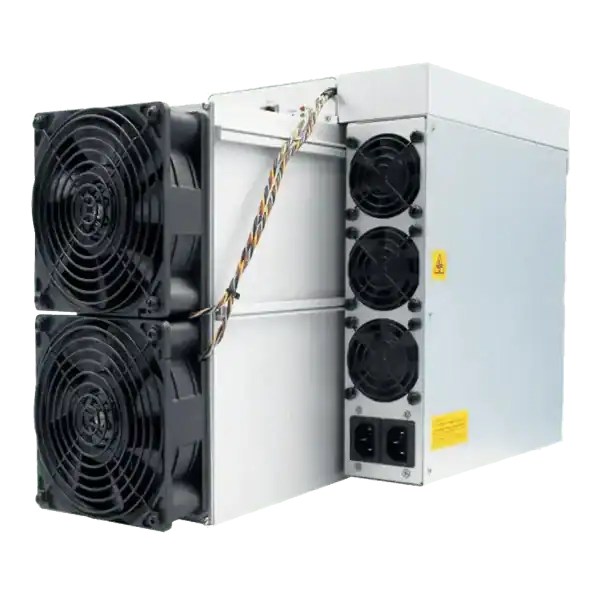
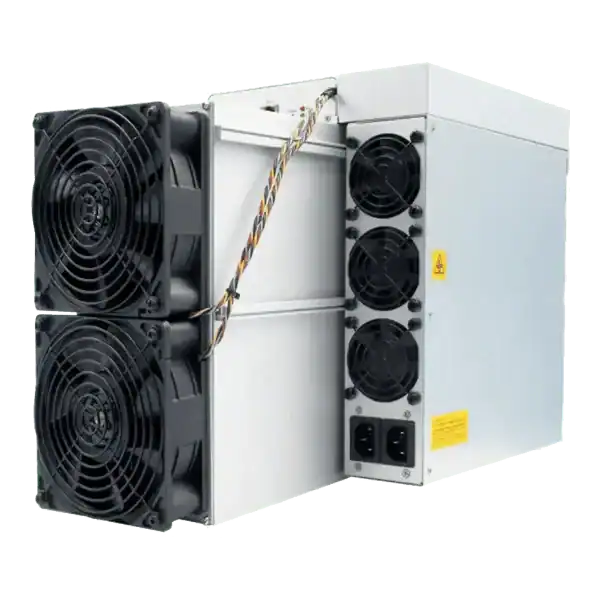
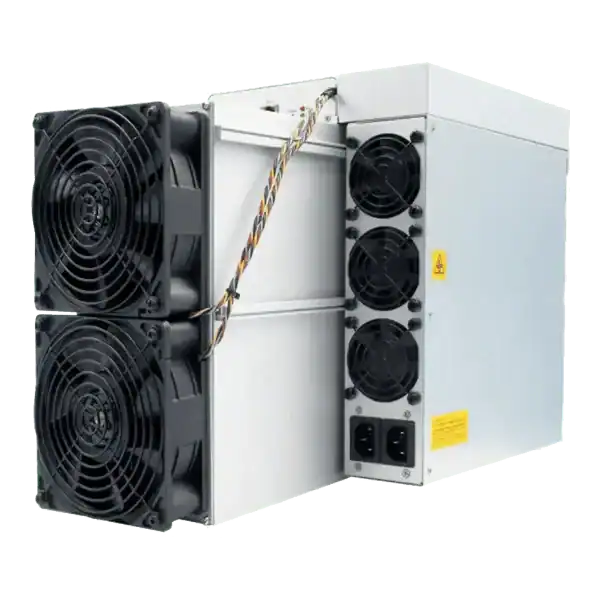
But as with most cryptocurrency mining stories, the ASIC manufacturers eventually caught up. The development about Axe mining hardware followed a predictable progression: hobbyist CPU mining gave way to GPU farms, which were eventually overshadowed by specialised ASIC miners designed specifically for X11. Companies like Bitmain, Innosilicon, and others developed machines that could hash X11 algorithms orders of magnitude more efficiently than graphics cards.

The current mining landscape about Axe is dominated by these ASIC miners, making CPU and GPU mining largely uneconomical due to the increased network difficulty. This isn’t necessarily a bad thing, ASIC mining provides significantly more security against brute force attacks on the blockchain, even if it reduces the decentralization that made early cryptocurrency mining appealing.

Modern X11 ASICs designed for mining Axe can achieve hash rates measured in gigahashes per second while consuming relatively modest amounts of electricity. The Antminer D3, for example, can produce around 17 GH/s while consuming about 1200 watts of power. These machines represent the cutting edge of cryptocurrency mining efficiency, though they’re far removed from the accessible mining that characterized Axe’s early days.

The Masternode development: Governance That Works

The masternode system about Axe represents one of the most innovative approaches to cryptocurrency governance and network management. Unlike Bitcoin’s simple mining model or Ethereum’s validator system, Axe’s masternodes perform multiple functions that go far beyond transaction processing.

Running a masternode about Axe requires a significant investment, operators must hold 1000 AXE as collateral, creating a financial stake in the network’s long-term success. This collateral requirement serves multiple purposes: it prevents Sybil attacks where malicious actors try to overwhelm the network with fake nodes, it aligns masternode operators’ incentives with network health, and it provides a funding mechanism for network development and improvements.

The technical requirements for operating a masternode about Axe are surprisingly accessible. Unlike Bitcoin mining, which requires specialised hardware and enormous electricity consumption, masternodes can run on modest virtual private servers costing as little as $5-10 per month. The hardware requirements are minimal, a basic VPS with 1GB of RAM and 20GB of storage is sufficient to operate a masternode effectively.

What makes masternodes particularly interesting about Axe is their governance role. Each masternode gets one vote on network proposals, creating a decentralized decision-making process that doesn’t rely on mining pools or foundation boards. This governance system allows the network to fund development, marketing, and infrastructure improvements directly from block rewards, eliminating the need for external funding or venture capital.

The economic model about Axe’s masternode system is elegantly simple. Block rewards are split between miners (who secure the network) and masternodes (who provide additional services and governance). A portion of rewards is also allocated to a treasury system that funds approved proposals, creating a self-sustaining development ecosystem.

Masternode operators about Axe earn rewards for their services, with returns typically ranging from 8-15% annually depending on the number of active masternodes and network participation. These rewards provide ongoing incentives for network participation while ensuring that masternode operators have skin in the game when voting on governance proposals.

Privacy Features: Beyond Basic Transactions

The privacy implementation about Axe builds on Dash’s CoinJoin-based mixing system while adding improvements and optimizations. The PrivateSend feature allows users to obscure transaction history by mixing their coins with other users’ funds, making it difficult to trace the original source of funds.

The technical approach about Axe’s privacy features is more practical than some competing systems. Rather than requiring all transactions to be private (which can create scalability issues), Axe makes privacy optional. Users can choose to use PrivateSend for sensitive transactions while using regular transactions for everyday purchases where privacy isn’t critical.

This flexible approach to privacy about Axe reflects a pragmatic understanding of user needs. Most people don’t need military-grade privacy for buying coffee or paying bills, but they might want enhanced privacy for larger transactions or sensitive purchases. The optional nature of privacy features also helps with regulatory compliance in jurisdictions where fully anonymous transactions might be problematic.

The mixing process about Axe is designed to be user-friendly while maintaining strong privacy guarantees. Users can initiate PrivateSend transactions through the standard wallet interface, and the mixing happens automatically in the background. The system uses multiple rounds of mixing to increase privacy, with users able to choose their desired level of anonymity based on their specific needs.

InstantSend: When Speed Matters

One of the most practical features about Axe is InstantSend, which provides near-instant transaction confirmation for everyday use. While Bitcoin transactions can take hours to confirm during network congestion, InstantSend transactions are confirmed within seconds, making Axe practical for point-of-sale purchases and other time-sensitive applications.

The technical implementation about Axe’s InstantSend relies on the masternode network to lock transaction inputs immediately upon broadcast. When a transaction is sent using InstantSend, masternodes quickly reach consensus on its validity and lock the inputs, preventing double-spending while the transaction waits for blockchain confirmation.

This approach to instant transactions about Axe is particularly elegant because it doesn’t require changes to the underlying blockchain protocol. InstantSend works as an additional layer on top of regular blockchain transactions, providing immediate security guarantees while maintaining compatibility with existing infrastructure.

The practical applications about Axe’s InstantSend are numerous. Merchants can accept payments with confidence knowing that transactions are secured within seconds rather than waiting for multiple block confirmations. Online services can process payments immediately, improving user experience for digital goods and services. Even peer-to-peer transactions benefit from the certainty that InstantSend provides.

The Mining Pool Ecosystem: Community and Competition

The mining pool landscape about Axe reflects the broader evolution of cryptocurrency mining from individual efforts to coordinated operations. Solo mining, while theoretically possible, has become increasingly impractical as network difficulty has risen with the introduction of ASIC miners.

Popular mining pools about Axe include both dedicated pools focused specifically on AXE and multi-algorithm pools that support various X11-based cryptocurrencies. Pool selection can significantly impact mining profitability, as different pools have varying fee structures, payout methods, and minimum payout thresholds.

The geographic distribution of mining pools about Axe spans multiple continents, helping maintain network decentralization and providing redundancy against regional internet outages or regulatory changes. Major pools operate servers in North America, Europe, and Asia, allowing miners to connect to nearby servers for optimal performance.

Pool operators about Axe provide essential infrastructure for the network while competing on fees, reliability, and features. Some pools offer additional services like detailed statistics, mobile apps, and automatic coin switching to maximise miner profitability. This competition benefits the overall ecosystem by driving innovation and keeping fees competitive.

Wallet Technology: Making Crypto User-Friendly

The wallet ecosystem about Axe demonstrates serious attention to user experience across different platforms and use cases. The Axe Core wallet provides full blockchain functionality for users who want maximum security and privacy, while lighter wallets offer convenience for everyday transactions.

Mobile wallet development about Axe has focused on practical usability rather than feature bloat. The official mobile wallets support both regular transactions and privacy features while maintaining reasonable battery life and data usage. This balance between functionality and practicality makes Axe accessible to users who primarily interact with cryptocurrency through their smartphones.

The Axe Electrum wallet represents an interesting approach to lightweight client design, providing most of the functionality of a full node while requiring minimal storage and bandwidth. This type of wallet is particularly important for users in regions with limited internet infrastructure or expensive data plans.

Hardware wallet support about Axe provides security for larger holdings while maintaining the convenience of hot wallets for daily transactions. Integration with popular hardware wallets like Ledger and Trezor means users can secure their AXE holdings using proven security models developed for Bitcoin and other cryptocurrencies.

Development and Innovation: Building on Proven Foundations

The development approach about Axe exemplifies how open-source cryptocurrency projects can innovate while building on proven foundations. Rather than attempting to reinvent fundamental blockchain technology, the development team has focused on improving user experience, scalability, and practical utility.

Recent developments about Axe include implementations of advanced features like ChainLocks, which use Long Living Masternode Quorums (LLMQs) to provide additional security against 51% attacks. These innovations demonstrate how the project continues to evolve beyond its Dash origins while maintaining compatibility with existing infrastructure.

The technical roadmap about Axe includes features designed to improve scalability and user experience without sacrificing the decentralization and security that make cryptocurrency valuable. Planned improvements include enhanced privacy features, improved mobile wallets, and better integration with existing payment systems.

Community development about Axe follows the open-source model, with contributions from developers around the world. The project maintains active GitHub repositories, documentation, and communication channels that allow community members to contribute code, report issues, and suggest improvements.

Economic considerations

The economic structure about Axe creates aligned incentives for all network participants while funding ongoing development and improvements. The block reward distribution ensures that miners are compensated for securing the network, masternodes are rewarded for providing additional services, and the network treasury receives funding for approved proposals.

This self-funding model about Axe eliminates the need for external venture capital or foundation funding, allowing the project to maintain independence while ensuring sustainable development. The governance system allows the community to direct treasury funds toward projects that provide the most value to the network.

The masternode economics about Axe create long-term incentives for network participation. The 1000 AXE collateral requirement means that masternode operators have significant skin in the game, aligning their interests with network health and long-term value creation rather than short-term speculation.

Market dynamics about Axe reflect its focus on utility rather than hype. While the project doesn’t enjoy the mainstream recognition of Bitcoin or Ethereum, it maintains an active community of users and developers who value its practical features and community-driven governance model.

Real-World Applications: Beyond Speculation

The practical applications about Axe extend beyond simple value transfer to include use cases that take advantage of its unique features. The combination of fast transactions, optional privacy, and low fees makes it suitable for various real-world applications that other cryptocurrencies struggle to address effectively.

Merchant adoption about Axe has focused on businesses that value fast, reliable payments over maximum decentralization. The InstantSend feature makes it practical for point-of-sale applications, while the low transaction fees make it viable for smaller purchases that would be uneconomical with Bitcoin.

The privacy features about Axe appeal to users who need financial privacy without the complexity of fully anonymous cryptocurrencies. This middle-ground approach allows users to maintain privacy when desired while remaining compliant with applicable regulations and reporting requirements.

International remittances represent another practical application about Axe, particularly in corridors where traditional banking is expensive or unreliable. The combination of fast transactions, low fees, and global accessibility makes it competitive with traditional money transfer services.

The Competitive Landscape: Finding a Niche

The market position about Axe reflects the challenges facing all cryptocurrency projects: standing out in a crowded field while providing genuine value to users. Unlike projects that compete primarily on marketing or speculative potential, Axe competes on practical utility and proven technology.

Compared to Bitcoin, the advantages about Axe include faster transactions, lower fees, optional privacy, and democratic governance. However, Bitcoin’s first-mover advantage, brand recognition, and network effects make it difficult for any alternative to gain widespread adoption for store-of-value use cases.

Against Ethereum and other smart contract platforms, the comparison about Axe is somewhat different. Axe doesn’t attempt to be a general-purpose computing platform; instead, it focuses on being an excellent digital cash system with specific privacy and governance features.

The relationship about Axe to its parent project Dash is complex and evolving. While both projects share technical DNA, they’ve diverged in terms of governance, community focus, and development priorities. This divergence allows both projects to explore different approaches to solving similar problems.

Looking Forward: Evolution in Action

The future development about Axe will likely focus on incremental improvements rather than significant changes. The project has found a sustainable model that balances innovation with stability, allowing it to evolve steadily without the boom-bust cycles that characterize many cryptocurrency projects.

Planned improvements about Axe include enhanced mobile wallets, better privacy features, and improved integration with existing payment systems. These developments reflect the project’s focus on practical utility rather than theoretical capabilities.

The governance system about Axe provides a mechanism for the community to direct development priorities based on actual user needs rather than developer preferences or investor demands. This democratic approach to development may prove more sustainable than the top-down approaches used by many cryptocurrency projects.

Why Axe Matters (Even If You've Never Heard of It)

The significance about Axe extends beyond its current market capitalization or user base. The project demonstrates how open-source cryptocurrency development can create value through iteration and improvement rather than significant breakthroughs.

The governance model about Axe provides a working example of how cryptocurrency networks can be managed democratically while maintaining technical competence and development momentum. This model may influence future cryptocurrency projects as the industry matures beyond its speculative phase.

The technical innovations about Axe, while building on existing foundations, show how practical improvements can create genuine utility for users. Features like InstantSend and optional privacy demonstrate that cryptocurrency can be both innovative and practical.

Perhaps most importantly, the community-driven development about Axe illustrates an alternative to the venture capital-funded, hype-driven approach that dominates much of the cryptocurrency space. Projects focused on sustainable development and practical utility may ultimately prove more valuable than those optimised for speculation and marketing.

Disclaimer: This article is for informational purposes only and should not be considered financial advice. Cryptocurrency investments carry significant risk, and you should do your own research before making any investment decisions. The author may or may not hold positions in the cryptocurrencies mentioned.

What to verify before acting

Mining networks, pool support, firmware, exchange access and hardware availability can change. Verify the current network documentation, test with a small controlled configuration and do not rely on a historical profitability figure when purchasing equipment.

Useful next steps

Authoritative references

Check current official documentation alongside this article because network rules, product ranges and legal guidance can change.

On this page

Search More Guides

Continue Reading

Explore more practical guidance on ASIC hardware, profitability, setup, hosting and maintenance.

Need Advice for Your Mining Setup?

Use our guidance to build your shortlist, then speak to our team when you want help comparing hardware, power, hosting or repairs.
Contact our team
Browse ASIC miners